
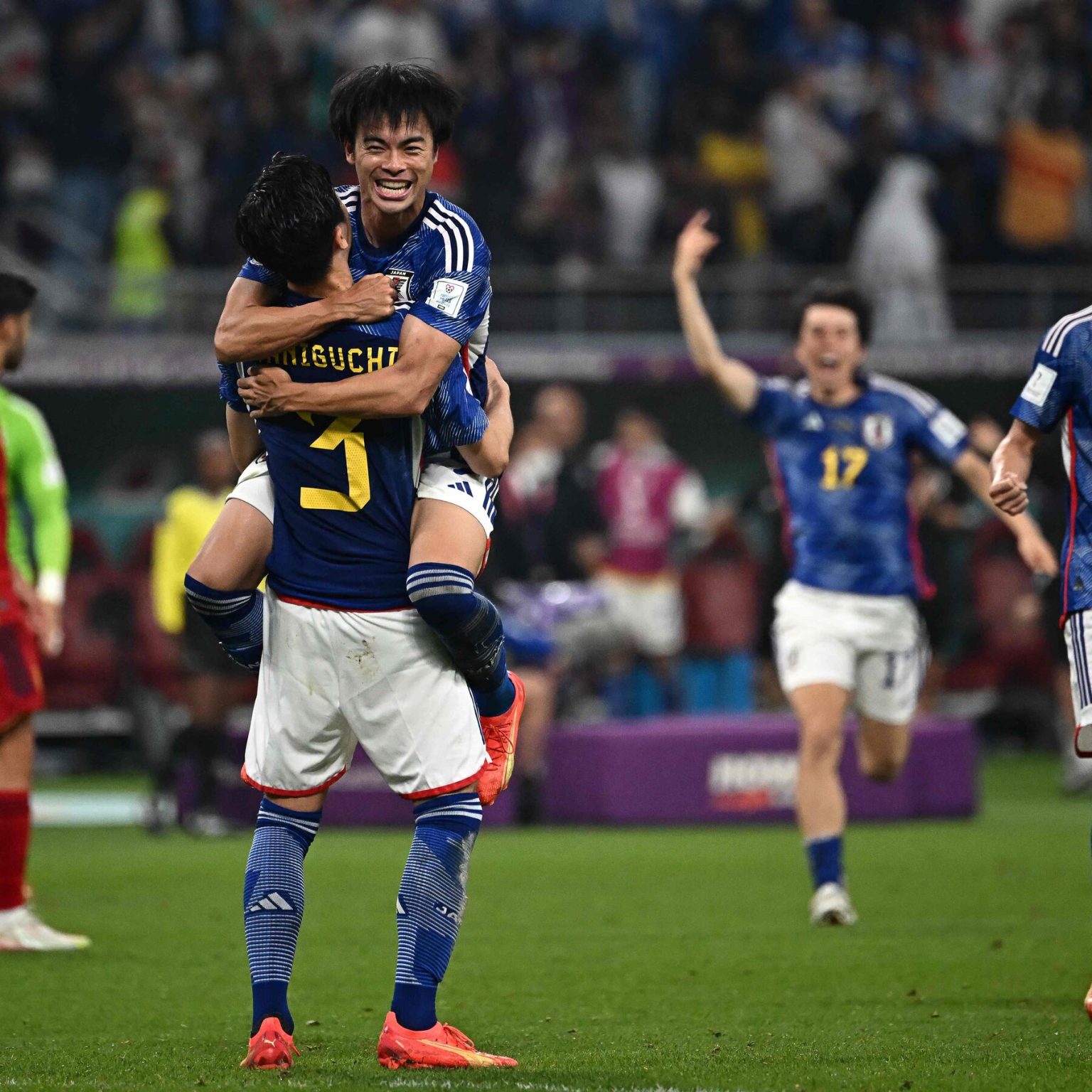

Japan’s 2–1 victories over Germany and Spain at the 2022 World Cup turned Group E upside down, but the story becomes clearer when you focus on what was visible during the matches rather than just the scorelines. In both games, Japan spent long spells under pressure before flipping the dynamic with tactical tweaks, higher pressing, and more direct attacks that any attentive viewer could track from the broadcast. Understanding those shifts makes it easier to recognize similar underdog comebacks when they start to form in future tournaments.
Why These Upsets Matter for How We Watch Top Teams
Beating the 2014 (Germany) and 2010 (Spain) world champions in the same group changed how many fans think about the gap between established powers and organized, high-intensity sides like Japan. Instead of being overrun, Japan absorbed pressure, accepted long periods without the ball, and then used targeted tactical changes and fresh legs to seize control of key phases. For viewers, this showed that a team can be out-possessed and still be deliberately steering the match toward scenarios where their strengths—pressing, transition speed, and fitness—matter more than pure ball retention.
The significance goes beyond these two games. Japan’s approach offered a blueprint for other national teams that cannot match Europe’s technical depth but can compete through structure and intensity. When you watch major tournaments now, these matches serve as reference points for spotting when an underdog is quietly setting up a late swing rather than simply hanging on.
Germany Match: First-Half Control vs Second-Half Shock
Against Germany, Japan spent much of the first half defending deep in a 4-2-3-1, with Germany dominating possession and creating steady pressure that eventually led to Ilkay Gündogan’s penalty. On screen, you saw Germany’s left-back David Raum pushing high, the back line often forming a three in build-up, and a front line rotating to overload central spaces while Japan focused on staying compact and surviving. To many viewers, it looked like a familiar script: a heavyweight probing patiently and an underdog being gradually worn down.
The tone shifted after half-time when Japan introduced more aggressive pressing and quicker vertical play, supported by key substitutions like Ritsu Doan and Takuma Asano. Instead of simply backing off, Japan started to jump on German build-up errors, pressing wider defenders and forcing hurried decisions, which created transitional moments higher up the pitch. The equaliser from Doan and the winner from Asano came after sequences where Japan attacked space behind a high German line, turning previously distant counters into direct, decisive runs toward goal.
Spain Match: Extreme Possession vs Targeted Pressure
The Spain game featured even more dramatic possession disparity, with Spain holding around 83 percent of the ball and Japan just 17 percent. For most of the first half, Japan sat in a 5-4-1 mid-to-low block, allowing Spain to combine in front of them while minimising clean entries into central shooting zones. Viewers could see Spain’s left-half-space focus, frequent overloads, and controlled circulation, while Japan mainly shuffled laterally and looked to stay compact.
The transformation came in the early second half, when Japan shifted their stance and pressed more aggressively, appearing in a 3-4-3 shape during their front-foot spell. Doan’s 48th-minute strike and Ao Tanaka’s 51st-minute goal came from sequences where Japan forced turnovers and attacked quickly into unsettled Spanish defensive positions. On broadcast, the difference from the first half was obvious: more bodies stepping forward to press, quicker support around the ดูบอลฟรี changy, and a willingness to take shots early rather than recycling possession.
What Live Viewers Could See About Japan’s Tactical Shifts ดูบอลสด
When you ดูบอลสด matches like these, the key is noticing when Japan changes their behaviour without waiting for commentators to label it. In both games, the second-half comebacks were preceded by subtle indicators: the defensive line stepping higher, wingers closing down full-backs more aggressively, and midfielders jumping to press rather than continually dropping. Over just a few minutes, these cues tell you that the underdog has decided to risk more to gain control of transitions, which often coincides with fresh substitutions and a psychological shift in body language.
Watching Japan with that mindset encourages you to track momentum as something teams actively create rather than something mysterious. When you see similar teams start pressing higher after an hour, pairing that with more vertical passing and direct runs, you can anticipate that a game state might flip—especially if the favourite has failed to convert dominance into a decisive lead.
A Live-Match Checklist Based on Japan’s Comebacks
Japan’s performances against Germany and Spain offer a practical checklist you can apply while watching any match where one team is heavily out-possessed. The sequence below focuses on signals that an underdog is setting up for a late surge rather than simply absorbing pressure.
- Note the underdog’s line height in the first 20–30 minutes and watch for any second-half shift upward, especially after substitutions.
- Track how often they win second balls in midfield; a rise in recoveries around halfway usually signals more aggressive positioning.
- Observe whether transitions become more direct, with immediate vertical passes or runs instead of safe back passes after regaining the ball.
- Pay attention to how many players join counters—do wide players and full-backs support more quickly as the match progresses.
- Watch body language after key moments (near misses, equaliser, or big save); rising confidence often translates into bolder pressing and risk-taking.
If you apply this checklist to Japan–Germany and Japan–Spain, you see a clear pattern: deeper and cautious first halves, followed by sharper pressing, more runners, and quicker decision-making in the second period. Recognizing these shifts live can help you anticipate when a heavily favoured side might be vulnerable to a comeback despite dominating the ball and shot count.
Key Match Patterns: Germany and Spain at a Glance
The table below summarises what a tactically focused viewer could see in both games, with emphasis on visible structures and momentum swings rather than just statistical dominance.
| Match (World Cup 2022) | Result & Group Context | First-Half Pattern Seen Live | Second-Half Japanese Shift | Core Viewing Lesson |
| vs Germany (Group E opener) | 2–1 Japan win; shock opening result | Germany dominant in 4-2-3-1, high left-back, Japan deep 4-2-3-1, mostly defending | Higher pressing, direct counters, impact subs (Doan, Asano) attacking high line | Dominance without a second goal leaves space for structured comebacks |
| vs Spain (Group E finale) | 2–1 Japan win; top group, eliminate Germany | Spain 83%+ possession, Japan 5-4-1 low block, limited pressing | Switch to more aggressive 3-4-3 spell, intense press, quick goals from Doan and Tanaka | Extreme possession can hide vulnerability if defensive transitions are not controlled |
For viewers, logging matches in this way turns dramatic scorelines into structured case studies. The next time you see a heavyweight failing to extend a one-goal lead despite dominance, you can recall these patterns and watch closely for the same early signs of an underdog fightback.
Comparing Japan’s 2022 Approach With Other High-Intensity Underdogs
Japan’s 2022 approach shares traits with other modern underdogs who combine strong fitness with clear tactical plans. Their use of flexible shapes—4-2-3-1 shifting to more aggressive structures, or 5-4-1 morphing into 3-4-3 spells—let them adapt to match situations without losing collective identity.
From a viewing standpoint, this is a reminder that the most dangerous underdogs have more than one gear. When you see a team that can alternate between compact defending and coordinated high pressing, supported by impactful bench options, you are watching a side that can change the game state in ways similar to Japan against Germany and Spain.
Summary
Japan’s wins over Germany and Spain at the 2022 World Cup were not random shocks but the product of observable patterns: disciplined first-half defending, second-half tactical shifts, and clinical exploitation of high defensive lines and tired legs. For live viewers, these matches demonstrated how an underdog can leverage structure, substitutions, and momentum to overturn apparent control, even when possession and passing numbers are overwhelmingly against them. Using Japan’s 2022 blueprint as a reference can sharpen how you watch future tournaments, helping you anticipate comebacks and understand why some giants fall despite dominating most visual metrics.