
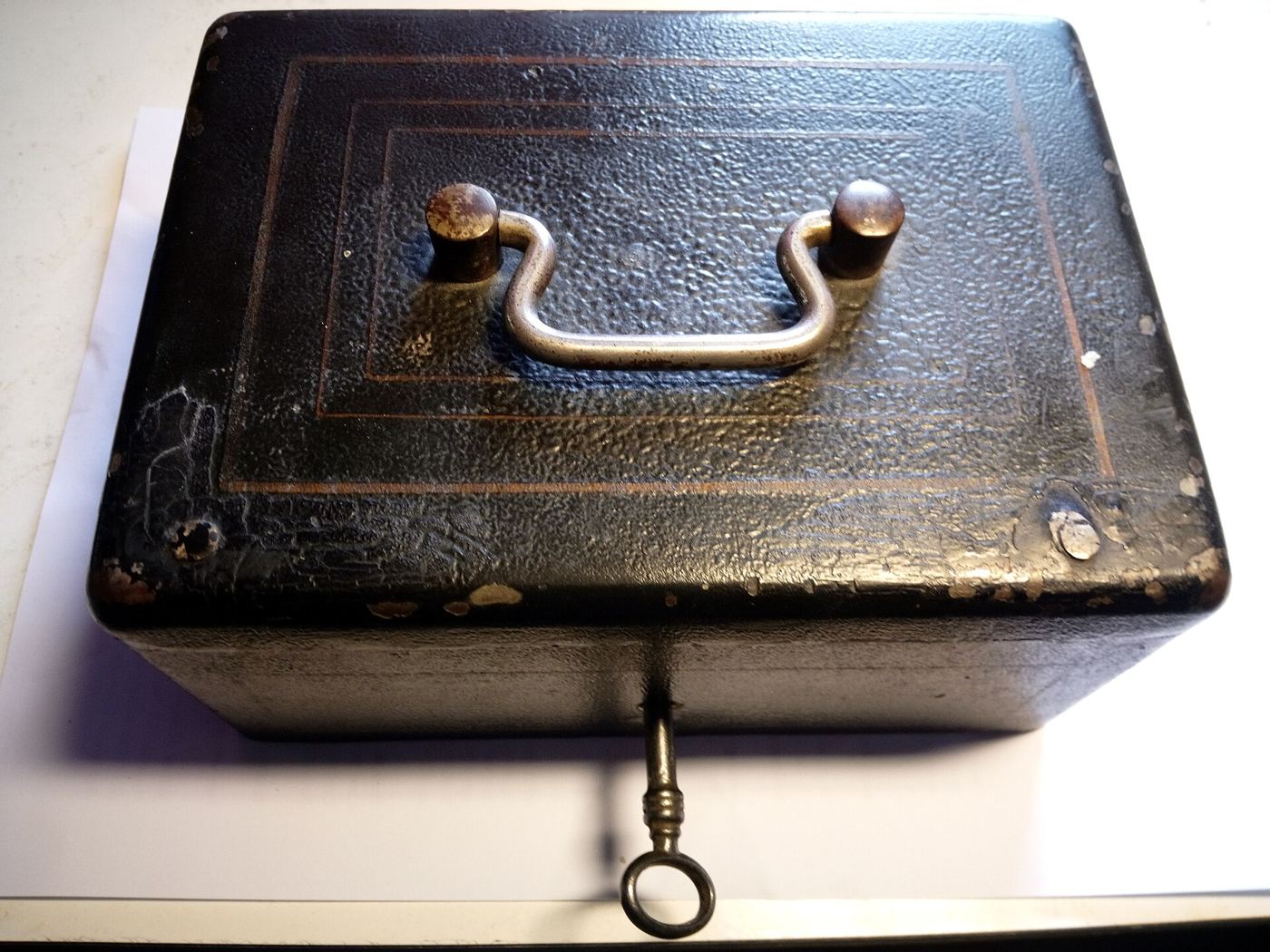

Saving money sounds simple until everyday life gets in the way. Rent, groceries, fuel and school costs all compete for the same pay cheque, and whatever is left at the end of the month rarely feels like enough to set aside. Financial advisers say that is exactly why automatic transfers have become one of the most reliable tools for households trying to build a safety net: the money moves into a separate savings account on payday, before spending begins, rather than depending on willpower at the end of the month when little remains.
Why Paying Yourself First Works
The principle behind the approach is sometimes called paying yourself first. Behavioural researchers note that people tend to spend what they can see in their main account, so moving even a modest amount out of sight changes daily decisions in subtle ways. A transfer of a small, fixed sum feels painless in the first weeks, yet over a year it grows into a meaningful cushion. Guidance published by the World Bank on household financial resilience makes a similar point: regular, automatic deposits are far more likely to continue than occasional large ones made only when money feels plentiful.
Advisers usually suggest starting with an amount that would not be missed, then raising it slightly after each pay rise or whenever a regular bill ends. Keeping the savings in a separate account, ideally one without a card attached, adds a useful layer of friction. The goal at first is not investment returns but distance: money that takes a deliberate step to reach is money that survives impulse purchases, flash sales and the small emergencies that otherwise go straight onto a credit card.
Building the Cushion Step by Step
Most planners describe the safety net in stages. The first target is a starter fund that covers one unexpected repair or a week of lost income. From there, households work towards one month of essential expenses, and eventually three. Breaking the goal into stages matters psychologically, because a target that feels reachable gets funded, while a distant one invites delay. Some families keep a simple written tracker on the fridge or in a notes app, marking each month the transfer went through, which turns an invisible bank movement into visible progress.
There are cautions, of course. Automatic transfers should never be set so high that they push an account into overdraft fees, and anyone carrying expensive card debt may be better served by splitting spare money between repayment and a small starter fund. The strongest plans are reviewed twice a year, adjusted when income changes, and left alone the rest of the time. In a period when household budgets are being squeezed from several directions at once, that quiet consistency is precisely the point: the safety net is built on ordinary paydays, long before it is ever needed.