
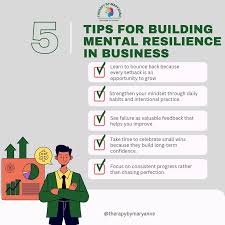

Entrepreneurship is often described as a journey filled with freedom, creativity, and financial opportunity. While this is true, it is only part of the story. The other side of entrepreneurship involves uncertainty, setbacks, financial pressure, and emotional stress. Every entrepreneur, no matter how successful, goes through difficult periods where things do not go as planned.
During these tough times, what separates successful entrepreneurs from those who give up is resilience. Resilience is the ability to recover from setbacks, adapt to change, and continue moving forward even when circumstances are challenging.
In 2025’s fast-moving business environment, resilience has become more important than ever. Markets change quickly, competition is global, and customer expectations are constantly evolving. Entrepreneurs must learn how to stay mentally strong and strategically flexible to survive and grow.
Even foundational aspects of business setup, such as understanding Business Registration Fees, can feel overwhelming when combined with financial uncertainty and operational pressure. However, resilient entrepreneurs learn how to manage these challenges step by step instead of being discouraged by them.
This article explores how to build resilience as an entrepreneur during tough times and how to develop the mindset and habits needed for long-term success.
Understanding What Entrepreneurial Resilience Really Means
Resilience in entrepreneurship is not about avoiding failure or stress. It is about how you respond when things go wrong.
It means staying focused when sales drop, staying calm when problems arise, and staying committed when motivation is low.
Resilient entrepreneurs do not panic during setbacks. Instead, they analyze the situation, adjust their strategy, and continue moving forward.
They understand that business is not a straight line. It is a cycle of growth, challenges, learning, and adaptation.
This mindset is essential for long-term success.
Why Tough Times Are Part of Every Business Journey
Many new entrepreneurs believe that successful businesses grow smoothly, but this is not reality.
Every business faces difficult phases, including cash flow problems, customer complaints, market changes, and unexpected expenses.
Even well-established companies experience downturns.
Tough times are not signs of failure. They are natural parts of business development.
In fact, some of the strongest business models are built during periods of struggle because entrepreneurs are forced to improve efficiency and rethink strategies.
Understanding this helps reduce fear and build emotional strength.
The Emotional Challenges of Entrepreneurship
Running a business is not just a financial challenge. It is also an emotional one.
Entrepreneurs often face stress from uncertainty, pressure to succeed, and fear of making mistakes.
Isolation is another common issue, especially for solo founders or small business owners.
Financial concerns, including startup costs and administrative requirements such as Business Registration Fees, can also add pressure during early stages.
These emotional challenges can affect decision-making if not managed properly.
Building resilience helps entrepreneurs stay emotionally balanced during difficult periods.
Step One: Accept That Setbacks Are Normal
One of the most important steps in building resilience is acceptance.
Setbacks are not exceptions in business. They are part of the process.
When entrepreneurs accept that challenges will happen, they become mentally prepared to handle them.
Instead of seeing problems as failures, they begin to see them as learning opportunities.
This shift in perspective reduces emotional stress and increases clarity during decision-making.
Step Two: Focus on What You Can Control
During tough times, many entrepreneurs feel overwhelmed because they focus on things outside their control.
Market conditions, customer behavior, and competition cannot always be controlled.
However, there are many things you can control, such as pricing, marketing strategy, customer service, and cost management.
Even fixed obligations like Business Registration Fees can be planned and managed in advance, reducing uncertainty.
Focusing on controllable actions helps restore a sense of stability and direction.
Step Three: Strengthen Financial Awareness
Financial stress is one of the biggest challenges entrepreneurs face during difficult times.
Many businesses struggle not because they lack potential, but because they do not manage cash flow effectively.
Understanding expenses, revenue patterns, and operational costs is essential for resilience.
Planning for expenses such as Business Registration Fees, taxes, and recurring business costs helps avoid financial surprises.
Entrepreneurs who maintain financial clarity are better equipped to make informed decisions during downturns.
Step Four: Build Mental Discipline
Resilience requires mental discipline.
This means staying consistent even when motivation is low.
It also means avoiding emotional decision-making during stressful situations.
Successful entrepreneurs develop routines that keep them focused, such as daily planning, goal setting, and reflection.
Mental discipline helps maintain stability when external conditions are unpredictable.
Step Five: Learn to Adapt Quickly
In business, change is constant.
Markets evolve, customer preferences shift, and competitors introduce new strategies.
Resilient entrepreneurs do not resist change. They adapt quickly.
Adaptability allows businesses to survive in uncertain environments.
This might involve adjusting pricing, changing marketing strategies, or pivoting product offerings.
Flexibility is one of the most powerful survival skills in entrepreneurship.
Step Six: Build a Support System
Entrepreneurship can feel isolating, especially during tough times.
Having a support system helps reduce emotional pressure.
This can include mentors, business communities, friends, or professional advisors.
Talking to others provides new perspectives and reduces the feeling of being alone in challenges.
Even discussions about practical matters like Business Registration Fees or business setup can become easier when guided by experienced individuals.
Support systems help entrepreneurs stay grounded and motivated.
Step Seven: Break Problems Into Smaller Steps
Large problems often feel overwhelming when viewed as a whole.
Resilient entrepreneurs break challenges into smaller, manageable steps.
Instead of focusing on the entire problem, they focus on one part at a time.
This approach reduces stress and makes problem-solving more effective.
Small progress builds momentum, which helps restore confidence.
Step Eight: Maintain Long-Term Vision
During tough times, it is easy to lose sight of long-term goals.
Short-term challenges can feel overwhelming and make entrepreneurs question their decisions.
However, resilient entrepreneurs stay focused on their long-term vision.
They understand that temporary setbacks do not define overall success.
Having a clear vision helps maintain motivation even when immediate results are not positive.
Step Nine: Improve Problem-Solving Skills
Every challenge in business is a problem that needs solving.
Instead of reacting emotionally, resilient entrepreneurs focus on solutions.
They analyze the root cause of problems and test different approaches.
This problem-solving mindset improves decision-making and reduces stress.
Over time, entrepreneurs become more confident in handling difficult situations.
Step Ten: Take Care of Physical and Mental Health
Resilience is not only about business strategy. It is also about personal well-being.
Stress, lack of sleep, and burnout can reduce decision-making ability.
Entrepreneurs who take care of their health are better able to handle pressure.
Simple habits such as proper rest, exercise, and time management improve overall performance.
A healthy mind and body are essential for long-term resilience.
Common Mistakes That Reduce Resilience
One common mistake is ignoring financial planning until problems arise.
Another mistake is isolating oneself instead of seeking support.
Some entrepreneurs also panic during short-term setbacks and make rushed decisions.
Failing to adapt to market changes is another major issue.
Finally, underestimating structured business setup costs such as Business Registration Fees can create unexpected stress later.
Avoiding these mistakes helps strengthen resilience over time.
How Resilience Leads to Business Growth
Resilience is not just about survival. It is also about growth.
Entrepreneurs who stay consistent during difficult times often come out stronger.
They gain experience, improve systems, and develop better strategies.
Challenges force innovation and creativity, which often leads to stronger business models.
Over time, resilience becomes a competitive advantage.
Conclusion
Building resilience as an entrepreneur is essential for surviving and thriving in today’s unpredictable business environment. Tough times are inevitable, but they do not have to define your journey.
By accepting setbacks, focusing on controllable actions, improving financial awareness including Business Registration Fees, and developing mental discipline, entrepreneurs can navigate challenges more effectively.
Resilience is not built overnight. It is developed through experience, reflection, and consistent effort.
Ultimately, the ability to stay steady during uncertainty is what transforms entrepreneurs into long-term business leaders.
FAQs About Entrepreneurial Resilience
What is entrepreneurial resilience?
Entrepreneurial resilience is the ability to adapt, recover, and continue moving forward during business challenges and setbacks.
Why is resilience important in business?
Resilience helps entrepreneurs handle uncertainty, manage stress, and make better decisions during difficult times, which improves long-term success.
How can I become more resilient as an entrepreneur?
You can build resilience by focusing on financial planning, staying adaptable, breaking problems into smaller steps, and maintaining a strong support system.
Does financial planning improve resilience?
Yes, understanding costs such as Business Registration Fees and other expenses helps reduce uncertainty and improves decision-making during tough times.
Can resilience be learned or is it natural?
Resilience can definitely be learned and developed over time through experience, mindset changes, and consistent practice.
How do successful entrepreneurs handle failure?
Successful entrepreneurs treat failure as feedback, learn from mistakes, and adjust their strategies instead of giving up.
What is the biggest threat to resilience?
The biggest threat is emotional decision-making during stressful situations, which can lead to panic and poor business choices.
You should also read: TechAiTech