

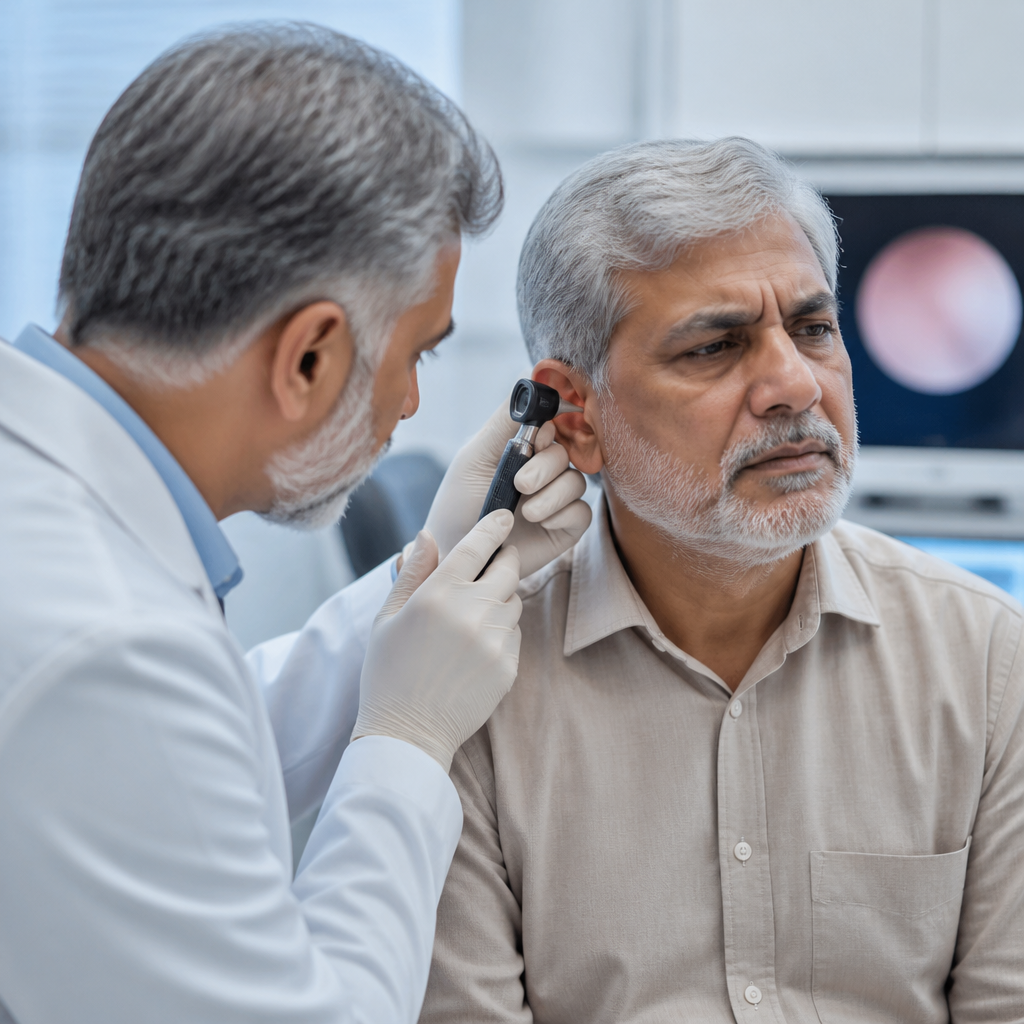
Ear problems send millions of people to medical facilities each year, yet many patients struggle to determine when their symptoms require specialist intervention at a hospital setting versus treatment at a general practice clinic. The ear’s complex anatomy and its connection to balance, hearing, and overall neurological function means that certain conditions demand the diagnostic equipment and surgical capabilities only available in hospital-based specialist departments. Understanding which symptoms warrant this level of care can prevent complications and ensure appropriate treatment from the outset.
The Distinction Between Primary and Hospital-Based Ear Care
General practitioners handle the majority of routine ear complaints, from simple infections to earwax buildup. These conditions respond well to standard treatments like antibiotics, ear drops, or irrigation procedures performed in a clinic setting. Hospital-based otolaryngology departments, by contrast, address conditions requiring advanced imaging, surgical intervention, or management of complications affecting surrounding structures.
The referral pathway typically begins with a GP assessment, but certain red flag symptoms should prompt patients to seek hospital-level care directly. These include sudden hearing loss, severe vertigo with vomiting, facial paralysis accompanying ear symptoms, or discharge following head trauma. The availability of CT scanners, audiometry suites, and operating theaters within hospital facilities allows for same-day diagnosis and intervention when minutes matter.
Conditions Requiring Hospital-Level Otolaryngology Services
Chronic otitis media with complications represents one category where hospital care becomes essential. While uncomplicated middle ear infections resolve with oral antibiotics, persistent infections can erode the small bones of hearing or spread to the mastoid bone. Hospital-based specialists perform mastoidectomy procedures and tympanoplasty repairs that require general anesthesia and post-operative monitoring impossible in clinic settings.
Sudden sensorineural hearing loss constitutes a medical emergency that demands immediate hospital assessment. This condition, characterized by hearing loss developing over 72 hours or less, requires urgent corticosteroid treatment and investigation for underlying vascular or autoimmune causes. Hospitals can perform the necessary MRI scans and blood work within hours rather than the weeks typical of outpatient scheduling.
Vestibular disorders causing debilitating vertigo often require the specialized testing equipment housed in hospital balance centers. Video nystagmography, rotary chair testing, and vestibular evoked myogenic potential studies help distinguish between peripheral and central causes of dizziness. This differentiation matters because central causes may indicate stroke or tumor requiring immediate neurosurgical consultation.
Navigating Hospital-Based Specialist Care in the UAE
The United Arab Emirates has developed a robust network of multi-specialty hospitals offering advanced otolaryngology services to both residents and international patients. These facilities combine Western training standards with accessibility for the region’s diverse population. For patients experiencing persistent ear symptoms unresponsive to initial treatment, facilities with comprehensive diagnostic capabilities provide the thorough evaluation needed to identify uncommon conditions like cholesteatoma or temporal bone tumors.
Those searching for specialized care can access hospital systems with dedicated otolaryngology departments offering the full range of diagnostic and surgical interventions. For instance, patients seeking comprehensive evaluation at an ear hospital near me in the Abu Dhabi region can find multi-specialty hospitals equipped with advanced audiometry, imaging capabilities, and surgical suites staffed by fellowship-trained subspecialists. These centers manage everything from routine tympanoplasty to complex cochlear implant surgery within a single system.
The Importance of Accurate Medical Information in Healthcare Decisions
Making informed decisions about specialist care requires access to reliable medical information, yet patients increasingly encounter misleading claims in health-related marketing. The same scrutiny applied to product labeling in other industries should extend to healthcare services. Just as research use only labels carry specific regulatory meanings that buyers must understand, medical facilities operate under accreditation standards and scope-of-practice regulations that determine what services they can legitimately offer.
Patients should verify that hospital-based specialists hold relevant board certifications, that facilities maintain accreditation from recognized bodies, and that claimed capabilities match actual service offerings. This due diligence matters particularly for surgical procedures where the learning curve affects outcomes and where revision surgery carries higher risks than primary intervention.
What to Expect During Hospital-Based Ear Assessment
A comprehensive otolaryngology evaluation at a hospital facility typically begins with detailed history-taking covering symptom onset, progression, associated features, and impact on daily function. The physical examination extends beyond simple otoscopy to include pneumatic otoscopy assessing eardrum mobility, tuning fork tests for hearing loss characterization, and cranial nerve assessment for signs of serious pathology.
Diagnostic testing follows based on examination findings. Audiometry remains the cornerstone for quantifying hearing loss and identifying its type. Tympanometry measures middle ear function and can detect fluid or eustachian tube dysfunction. When imaging becomes necessary, temporal bone CT scans reveal bony anatomy and pathology, while MRI scans better visualize soft tissues and rule out acoustic neuromas or other tumors.
The hospital setting enables same-day consultation between otolaryngologists and other specialists when symptoms suggest conditions like autoimmune disease, vascular disorders, or neurological pathology. This integrated approach prevents diagnostic delays that can result from sequential outpatient referrals across different facilities.
Understanding Healthcare System Navigation
Different countries structure specialist access differently, with some requiring GP referrals and others allowing direct booking with specialists. Hospital-based specialist care systems vary in their referral processes, waiting times, and coverage policies. Understanding these pathways before urgent need arises helps patients access appropriate care efficiently.
Insurance coverage represents another critical consideration. Hospital-based specialist care typically costs significantly more than clinic visits, and patients should verify coverage details including deductibles, co-payments, and authorization requirements before proceeding with non-emergency evaluation. Many policies require pre-authorization for imaging studies and surgical procedures, processes that can take days to complete.
Preparing for Your Hospital Specialist Appointment
Maximizing the value of a hospital-based specialist consultation requires preparation. Patients should compile a chronological symptom diary noting onset dates, triggering factors, and treatment responses. Bringing previous audiograms, imaging reports, and medication lists prevents duplicate testing and provides the specialist with baseline data for comparison.
Questions to ask during the consultation should cover diagnosis certainty, treatment options with their respective success rates and risks, expected recovery timeline, and criteria for when to seek urgent re-evaluation. Understanding whether proposed treatments aim for cure versus symptom management helps set realistic expectations and guides shared decision-making.
For surgical recommendations, patients should inquire about the surgeon’s experience with the specific procedure, complication rates, and what happens if initial treatment fails. Second opinions remain appropriate for elective procedures, particularly those carrying risks to hearing or balance that could significantly impact quality of life.
When Symptoms Demand Immediate Hospital Attention
Certain ear-related symptoms constitute medical emergencies requiring immediate hospital evaluation. Sudden complete hearing loss in one ear, especially when accompanied by severe vertigo, may indicate inner ear hemorrhage or infarction requiring urgent treatment to preserve function. Facial weakness or paralysis developing alongside ear pain suggests possible temporal bone infection or tumor requiring emergency imaging and treatment.
Severe headache with ear discharge after head trauma raises concern for cerebrospinal fluid leak or skull base fracture. These injuries require emergency CT scanning and neurosurgical consultation to prevent meningitis. Similarly, rapidly progressive facial swelling with ear pain and fever may indicate malignant otitis externa, a potentially life-threatening infection requiring intravenous antibiotics and close monitoring.
Recognizing these warning signs and accessing hospital emergency departments promptly can prevent permanent hearing loss, facial paralysis, and life-threatening complications. While many ear symptoms can wait for scheduled specialist appointments, these specific presentations demand immediate action regardless of time of day or day of week.