
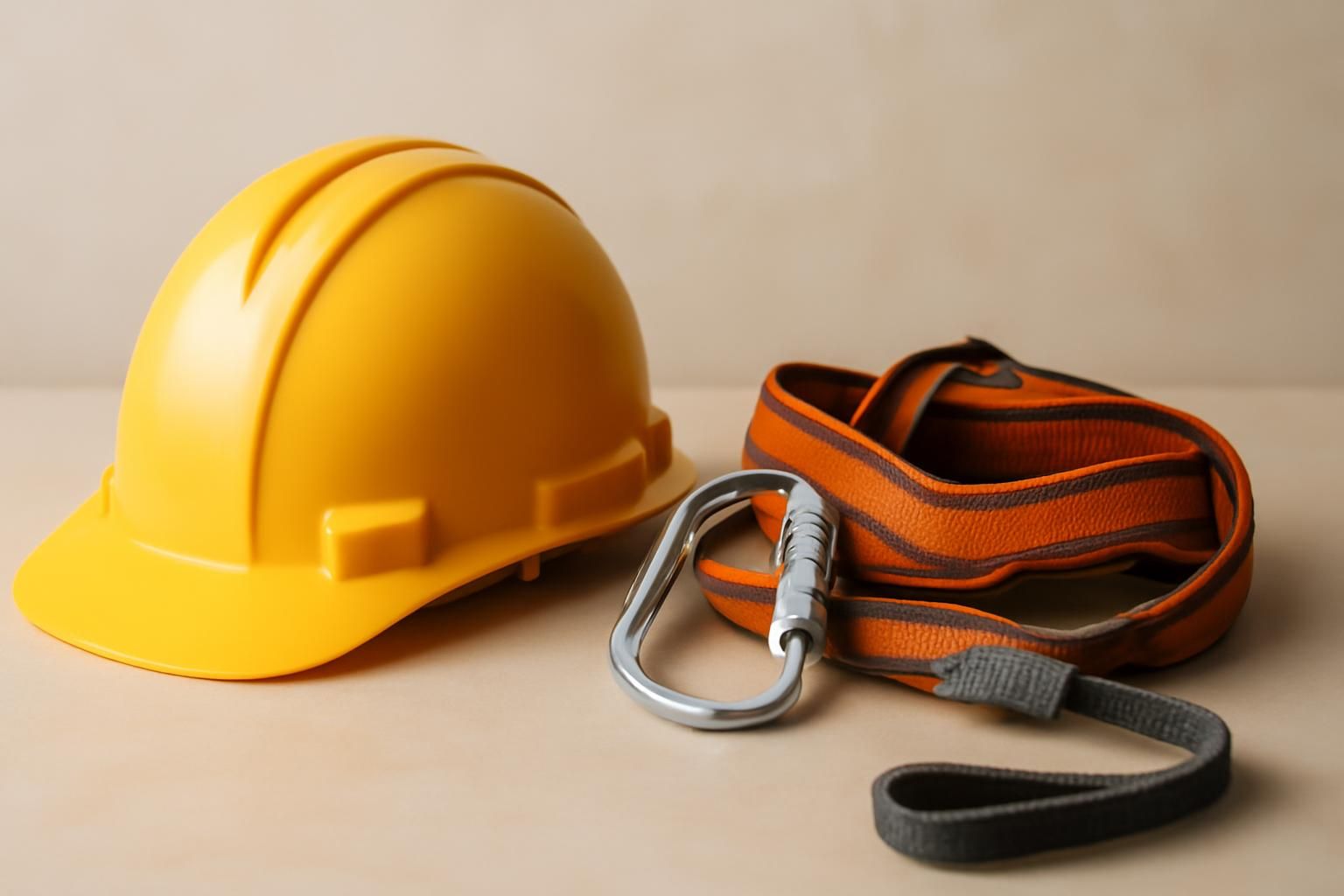

Sydney’s construction sector relies on a diverse workforce to deliver residential developments, commercial buildings, transportation infrastructure, and public facilities. As construction projects become more complex, workers must develop practical safety knowledge alongside their technical abilities. Completing a white card course NSW helps individuals understand essential workplace safety principles, recognise potential hazards, and prepare for the responsibilities associated with working in construction environments.
Safety qualifications are increasingly valuable because employers need workers who can contribute to productive operations without compromising workplace safety. Practical education provides foundational knowledge about construction regulations, emergency procedures, hazard identification, and responsible workplace behaviour. These skills support professional development while encouraging greater accountability across construction teams.
Preparing Workers for Modern Construction Environments
Construction sites involve numerous activities taking place simultaneously, including excavation, electrical installations, material transportation, and equipment operation. Workers must understand the safety considerations associated with these activities and recognise how their actions can affect colleagues and surrounding work areas.
Modern construction environments require individuals to remain alert to changing conditions throughout the working day. Practical safety education encourages workers to assess their surroundings, follow site instructions, and recognise situations that require immediate attention. This awareness helps new employees adjust to unfamiliar workplaces with greater confidence.
Developing Effective Hazard Recognition Skills
Recognising potential hazards is one of the most valuable abilities a construction worker can develop. Uneven surfaces, falling materials, exposed electrical components, moving machinery, and unsecured equipment can create dangerous working conditions when appropriate precautions are overlooked.
Individuals searching for white card Australia Sydney training can benefit from learning about common construction hazards and suitable control measures. Instead of responding only after an incident occurs, trained individuals are encouraged to identify risks before they develop into serious problems. This proactive approach contributes to safer working conditions and supports the continuity of construction activities.
Strengthening Communication Across Construction Teams
Construction projects frequently bring together contractors, supervisors, apprentices, engineers, and workers from different professional backgrounds. Effective communication helps these individuals coordinate their responsibilities and maintain awareness of potential safety concerns.
Practical safety training emphasises the importance of reporting hazards, understanding safety signs, following instructions, and communicating concerns through appropriate workplace channels. Workers who feel confident discussing safety issues can help supervisors address problems earlier. Clear communication also reduces misunderstandings when multiple teams operate within the same construction area.
Supporting Compliance With Workplace Safety Requirements
Construction businesses must operate within established workplace health and safety requirements. General construction induction training helps workers understand their fundamental responsibilities and the importance of following established safety procedures.
Completing a Sydney white card course provides individuals with the foundational training required to obtain a white card. However, workers may also need additional qualifications, licenses, or specialised training depending on their responsibilities. Understanding these requirements helps individuals approach their duties responsibly while supporting employers in maintaining compliant construction environments.
Improving Emergency Preparedness on Construction Sites
Unexpected incidents can interrupt construction activities and place workers at risk. Equipment failures, fires, injuries, and hazardous material exposure require appropriate responses to prevent situations from becoming more serious.
Safety education introduces individuals to basic emergency procedures, incident reporting requirements, evacuation arrangements, and the importance of following instructions from designated personnel. Familiarity with these procedures can reduce confusion during emergencies and encourage coordinated responses. Although general induction training does not replace specialised emergency response qualifications, it provides an important foundation for workplace preparedness.
Enhancing Employment Opportunities and Professional Growth
Practical safety qualifications can help individuals establish themselves within Sydney’s construction industry. Employers generally expect workers performing construction work to hold the required induction credentials and demonstrate a responsible attitude toward workplace safety.
For apprentices, career changers, and individuals entering the industry, obtaining a white card represents an important starting point. Continued professional development through additional safety courses and technical qualifications can help workers expand their capabilities, pursue specialised responsibilities, and prepare for future supervisory positions.
Creating a Culture of Shared Responsibility
Workplace safety becomes more effective when every individual understands their role in maintaining secure working conditions. Practical training encourages workers to consider how everyday decisions influence the well-being of their colleagues.
Consistently following procedures, wearing appropriate protective equipment, reporting unsafe conditions, and respecting designated work areas can strengthen collective accountability. These behaviours eventually contribute to the development of a workplace culture in which safety is no longer merely a legal requirement but rather an essential component of regular construction operations.
Conclusion
Practical safety qualifications play an essential role in supporting Sydney’s construction sector. By developing hazard awareness, communication skills, emergency preparedness, and regulatory knowledge, workers can approach their responsibilities with greater confidence. Investing in construction safety education supports individual career development while contributing to safer, more productive, and professionally responsible construction environments.
<iframe src=”https://www.google.com/maps/embed?pb=!1m14!1m8!1m3!1d6625.098093841099!2d151.2079239!3d-33.8755109!3m2!1i1024!2i768!4f13.1!3m3!1m2!1s0x6b12afa1f35c3731%3A0x76f72ba3c406c1be!2sFirst%20Aid%20Pro!5e0!3m2!1sen!2sau!4v1790558960628!5m2!1sen!2sau” width=”600″ height=”450″ style=”border:0;” allowfullscreen=”” loading=”lazy” referrerpolicy=”strict-origin-when-cross-origin”></iframe>