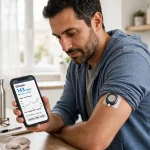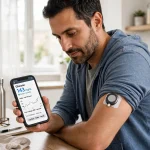


Japan’s healthcare system is known for its advanced technology, efficiency, and focus on preventative care. With an aging population similar to the UK, Japan has developed solutions that balance cost and care without compromising quality. These innovations could serve as a blueprint for enhancing NHS operations, especially in areas like elder care, digital health integration, and long-term sustainability.
Preventative Care as a Core Strategy
Japan places strong emphasis on prevention through regular check-ups, lifestyle guidance, and early intervention programs. This approach reduces the burden on hospitals and minimizes long-term healthcare costs. If the NHS adopts similar practices, it could shift focus from reactive treatments to proactive health management, easing pressure on frontline services and improving patient outcomes over time.
Efficiency Through Technology
From AI-driven diagnostics to robotics in surgery and elderly care, Japan’s use of technology creates seamless experiences for both patients and healthcare workers. Integrating these tools into the NHS could streamline administrative tasks, reduce wait times, and support clinical decisions with precision. Automation and digital platforms offer practical solutions to staffing shortages and growing patient demands.
A Model for Aging Populations
Japan’s experience with an older demographic offers lessons in specialized elder care, home support, and chronic disease management. These systems are structured to maintain independence and dignity while reducing hospital admissions. With the UK facing similar demographic shifts, adapting these models can strengthen NHS capacity to care for aging citizens in a more personalized, community-focused manner.
Read More : Iran-US talks live: Nuclear discussions begin in Italy’s Rome
Workforce Empowerment and Training
In Japan, continuous training, respect for healthcare roles, and team-based approaches boost morale and retention. The NHS can benefit from adopting a similar culture, where investment in staff development and collaborative care models creates a more resilient workforce. Encouraging innovation and responsibility at all levels can lead to more efficient service delivery
Holistic Integration of Services
Japan’s coordination between hospitals, community care, and insurance systems creates a connected network where patients experience continuity in treatment. The NHS can mirror this by integrating services across primary, secondary, and social care, creating smoother transitions and better patient experiences. A unified system supports both patients and providers in delivering consistent and high-quality care.
Learning from Policy and Structure
Japan’s health insurance model offers a balance between public and private contributions while ensuring universal coverage. Though the NHS operates differently, lessons in policy flexibility and funding allocation could inspire new frameworks that address current budgetary challenges. Structural innovations, when tailored to UK needs, may unlock more sustainable approaches to healthcare delivery.
Frequently Asked Questions
How is Japan’s healthcare system different from the NHS?
Japan focuses on preventative care, technological integration, and aging population management, offering a contrast to the reactive structure of the NHS.
Can Japan’s technology realistically be implemented in the NHS?
Yes, with proper investment and training, AI tools, digital records, and robotics can improve efficiency across NHS services.
What can the NHS learn from Japan’s elderly care?
Personalized home care, support services, and community-based solutions are key models the NHS can adapt for aging populations.
Is Japan’s health model more cost-effective?
Japan manages lower healthcare spending per capita with better outcomes by focusing on prevention and streamlined service delivery.
How does Japan train and retain healthcare professionals?
Japan emphasizes ongoing education, team collaboration, and cultural respect, creating a positive and sustainable work environment.
Could NHS patients benefit from Japan’s digital systems?
Absolutely. Real-time access to records, AI diagnostics, and remote monitoring could reduce delays and improve care quality.
Are there cultural barriers to applying Japan’s model in the UK?
Some adjustments would be needed, but the core principles—efficiency, care continuity, and prevention—can translate across systems.
What are the first steps for NHS to adopt Japan-inspired practices?
Pilot programs focusing on preventative care, technology trials, and eldercare improvements would be strategic starting points.
Conclusion
Japan offers forward-thinking strategies the NHS can explore to improve efficiency, enhance care, and future-proof its services. From technology to eldercare, there’s a wealth of adaptable practices that align with NHS challenges. Embracing global innovation, while staying grounded in local needs, could lead the NHS toward a more sustainable and people-centered future—where prevention, digital access, and coordinated care work together to uplift public health outcomes.