

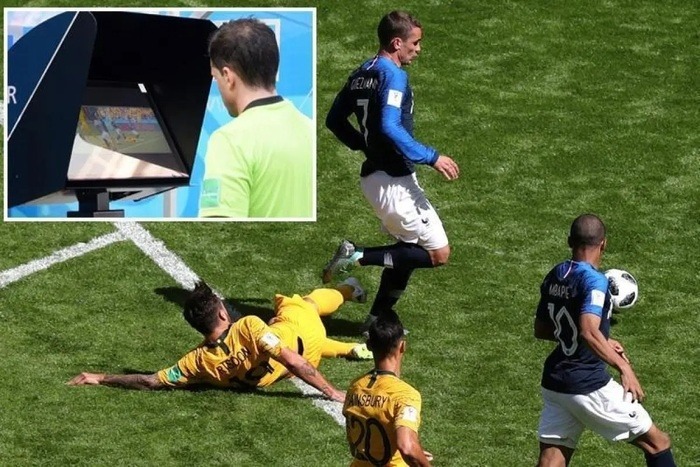
VAR technology stands for Video Assistant Referee. It’s a major advancement in sports, aiming to enhance the accuracy and transparency of referee decisions. In this article, tường thuật trực tiếp bóng đá we’ll explore this technology in more detail, its implementation, and tips for optimizing its effectiveness in sporting events.
Understanding VAR Technology
VAR technology was developed to overcome the difficulties in making decisions in sports matches, especially football. Although the idea of using video to assist referees is not new, the practical application of VAR has sparked both controversy and success.
How does VAR technology work?
- VAR will have a dedicated team of referees connected from the video control room.
- These referees will review the video footage to make their final decision.
Although VAR is very useful, it also generates a lot of different opinions from fans and players. Let’s delve deeper into the development of this technology.
The Development Process of VAR Technology
VAR technology wasn’t created overnight; it’s the result of years of research and testing. Its use began in the 2010s and progressed until its adoption in major leagues at the end of the decade.
Over the seasons, VAR has undergone numerous updates and improvements. It’s clear that video analysis has become an indispensable part of modern football matches, where referee errors can be easily reviewed.
Benefits of VAR Technology
One of the biggest strengths of VAR technology The key is its ability to enhance fairness in matches. Uncertainty in referee decisions can significantly impact the outcome of a game. Especially in tense matches, tỷ lệ kèo bóng đá VAR provides a layer of protection against erroneous decisions.
Furthermore, the presence of VAR also helps players and fans feel more confident about the accuracy of each decision. This can enhance their experience in every match.
How to Implement VAR Technology

To VAR technologyFor effective operation, a clear procedure is needed for recording and presenting necessary situations.
Every match should have at least one VAR room, where video analysis takes place. This room is usually fully equipped with the necessary technology to assist referees in handling sensitive situations.
Filming Process and Situation Analysis
When a controversial situation arises on the field, the main referee will signal for VAR to review the incident. Then, the referees in the VAR room will rewind and analyze different camera angles to make a more accurate decision.
It’s a meticulous process, requiring intense concentration from the entire refereeing team. It demands not only professional skills but also seamless coordination and teamwork between the main referees and assistant referees.
Tips for Optimizing VAR Technology
To doVAR technologyTo be effective, tournaments and organizers need clear strategies. Training referees and technical staff on how to use technology is essential.
Furthermore, clearly communicating to the audience how VAR works also contributes to building consensus among fans. When people understand the process better, they will be less likely to object to the decisions made by VAR.
Conclude
VAR technology is not only a revolution in assisting referees in every match, but it also opens a new chapter for modern sports. With this development, fans will experience fairer and more accurate matches. While there are still differing opinions on how VAR works and its effectiveness, it cannot be denied that this is an important step in improving the quality of sports.
With VAR technologyWith this, the future of referees in football and many other sports will become increasingly brighter, confirming that technology can be a reliable ally in decisive moments of sport.