
Starting a GLP-1 medication is usually a gradual process. The initial dose is often lower than the long-term dose, giving your body time to adjust before your healthcare provider considers an increase. This is why knowing when to increase GLP-1 dose for weight loss is important for both treatment effectiveness and tolerability.
Increasing the dose is not simply about getting faster results. Your healthcare provider considers how you are responding, whether you are experiencing side effects, how long you have been on your current dose, and which GLP-1 medication you are taking. The appropriate schedule can vary considerably between medications.
RoenRx provides clinician-guided weight-management care for eligible patients using prescription treatments. Understanding the purpose of dose escalation can help you approach treatment with realistic expectations instead of changing your dosage based only on the number on the scale.
Why Do GLP-1 Medications Start With a Lower Dose
Most injectable GLP-1-based weight-loss medications use a gradual dose-escalation approach. Starting with a lower dose allows the body to become accustomed to the medication and can help improve tolerability, particularly when gastrointestinal symptoms occur.
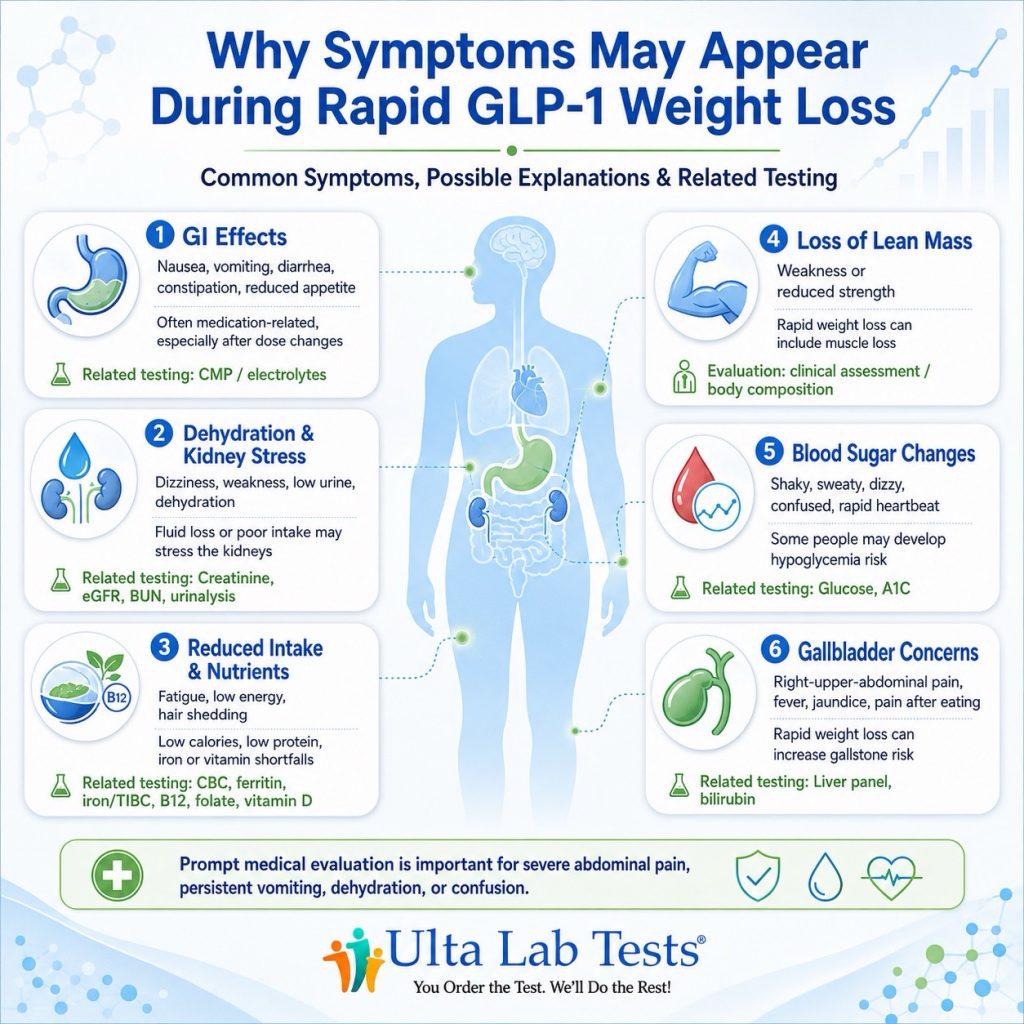
Nausea, diarrhea, constipation, vomiting, and abdominal discomfort can occur with GLP-1-based treatments. Increasing the medication too quickly may make these effects more difficult to manage.
For example, the FDA-approved Wegovy injection starts at 0.25 mg once weekly, with dose increases generally occurring every four weeks before reaching the recommended maintenance dose.
The same principle applies to other medications, although their schedules and doses are different. Your prescription label and healthcare provider’s instructions should always take priority.
When to Increase GLP-1 Dose for Weight Loss
The right time to increase your dose depends on the medication you are taking and how well you tolerate your current dose. In many treatment plans, the dose is increased after you have remained at the current level for the recommended period and your healthcare provider determines that another step is appropriate.
Feeling comfortable on your current dose does not automatically mean you should increase it immediately. Your provider may consider whether you are seeing meaningful changes in appetite and weight, whether side effects are manageable, and whether the next dose is appropriate for your treatment goals.
If you are still experiencing significant nausea, vomiting, abdominal discomfort, or other troublesome effects, your provider may recommend staying at the current dose longer rather than escalating.
RoenRx can help eligible patients understand their prescribed GLP-1 treatment plan and discuss questions about dose changes with a healthcare professional.
How Does GLP-1 Dose Escalation Work
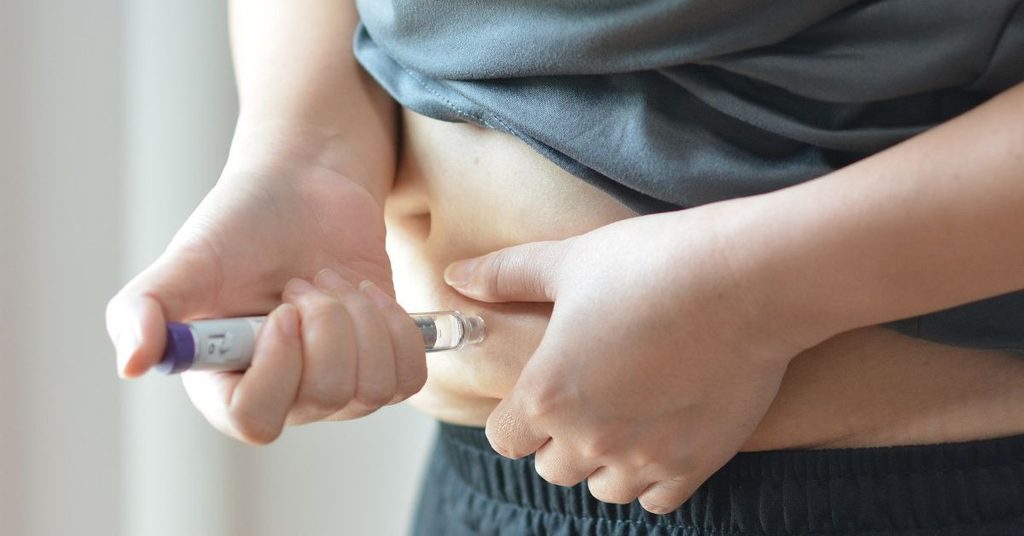
GLP-1 dose escalation means gradually increasing the amount of medication over time. The exact process depends on the medication, because semaglutide and tirzepatide, for example, have different approved dosing schedules.
For Wegovy injection, the FDA prescribing information recommends starting at 0.25 mg once weekly and titrating every four weeks toward the maintenance dose.
For Zepbound, which activates both GIP and GLP-1 receptors, the FDA-approved schedule starts at 2.5 mg once weekly for four weeks. The dosage can then be increased in 2.5 mg increments after at least four weeks, with the maintenance dose selected according to treatment response and tolerability.
These examples show why there is no universal GLP-1 dosage schedule. Your medication, indication, response, and tolerability all matter.
What Is the Typical GLP-1 Dosage Schedule
A GLP-1 dosage schedule usually begins with an introductory dose followed by gradual increases. The goal is to reach an effective maintenance dose without increasing medication faster than your body can tolerate.
With Wegovy injection, the FDA-approved schedule starts at 0.25 mg weekly for four weeks, followed by gradual increases every four weeks. The usual recommended maintenance dose for the injection is 2.4 mg once weekly.
Zepbound follows a different schedule. Its recommended starting dosage is 2.5 mg once weekly for four weeks, after which the dose may be increased by 2.5 mg increments after at least four weeks. For weight reduction and long-term maintenance, approved maintenance doses include 5 mg, 10 mg, and 15 mg once weekly.
Because these medications differ, never use another person’s dosing schedule as a guide for your own treatment.
Should You Increase Your GLP-1 Dose If Weight Loss Slows
A temporary slowdown does not automatically mean that you need a higher dose. Weight loss rarely follows a perfectly straight line, and fluctuations can occur even when treatment is working as expected.
Your appetite, food intake, activity level, hydration, sleep, and other factors can influence changes on the scale. As your body weight decreases, your energy requirements may also change, which can affect the pace of further weight loss.
Before increasing your dose, your healthcare provider can review your overall progress rather than focusing on one week or one weigh-in. A plateau may require patience, lifestyle adjustments, or further clinical evaluation rather than an immediate medication increase.
RoenRx focuses on clinician-guided treatment so patients can evaluate their progress with professional support instead of adjusting prescription medication independently.
What If You Are Not Losing Weight on Your Current Dose
Slow or limited weight loss can be frustrating, but it does not necessarily mean that the medication is ineffective. You may still be in the early stages of treatment, particularly if you are using a starting or introductory dose.
Your healthcare provider may review how long you have been taking the medication, whether you are following the prescribed schedule, how your appetite has changed, and whether side effects are affecting your ability to eat or stay active.
Other medications, medical conditions, sleep, stress, and eating habits can also influence weight management. Your provider can consider these factors before deciding whether a dosage change makes sense.
Do not increase your GLP-1 dose simply because the scale has not moved for a few days or weeks.

What If You Are Having Side Effects
Side effects are an important consideration when deciding whether to increase a GLP-1 dose. Gastrointestinal symptoms are common with several medications in this category, particularly during dose escalation.
If your symptoms are mild and manageable, your provider may continue the planned schedule. However, more significant or persistent symptoms may lead your healthcare provider to delay an increase or reassess your treatment.
For example, the Wegovy prescribing information notes that if a patient does not tolerate a dose during escalation, delaying dose escalation can be considered.
Never increase the medication simply because you have reached the end of a calendar period if your healthcare provider has advised otherwise.
Can You Increase Your GLP-1 Dose Faster
Increasing a GLP-1 medication faster than prescribed is not recommended. The gradual schedule is designed to balance treatment progression with tolerability.
Taking more medication does not guarantee faster weight loss. It can instead increase the likelihood of unwanted effects and make it harder to continue treatment consistently.
If you believe your current dose is no longer providing enough appetite control or weight-loss support, discuss your concerns with your healthcare provider. They can determine whether you are ready for the next step or whether staying at your current dose is more appropriate.
RoenRx helps eligible patients navigate prescription weight-management treatment with clinician guidance, including questions about dose escalation and treatment response.
Does a Higher GLP-1 Dose Always Mean Better Weight Loss
Not necessarily. While some medications have demonstrated greater average weight loss at higher approved doses, individual responses can vary. A higher dose can also increase the risk of side effects.
The goal of treatment is to find an effective and tolerable dose rather than automatically reaching the highest possible dose. Your provider may consider your weight-loss progress, appetite, treatment goals, and side-effect profile when deciding how to proceed.
This approach can make treatment more sustainable. If a dose is difficult to tolerate, pushing through simply to reach a higher level may not be the best strategy.
When Should You Stay on the Same GLP-1 Dose
There are several situations in which staying at your current dose may be appropriate. You may still be experiencing meaningful weight loss, your appetite may be well controlled, or your body may need more time to adjust.
Remaining at the same dose can also make sense when increasing would likely worsen side effects. Your healthcare provider can decide whether additional time at the current level is appropriate.
Remember that the highest maintenance dose is not necessarily the right choice for every patient. Treatment should be individualized according to the medication’s approved guidance and your clinical response.
How Can You Tell If Your GLP-1 Dose Is Working
Weight is only one measure of treatment response. You may also notice changes in hunger, cravings, portion sizes, fullness, and your ability to follow a consistent eating pattern.
Over several weeks, your healthcare provider can look at your overall weight trend rather than relying on isolated measurements. Other health markers may also be relevant depending on the reason you are taking the medication.
If your appetite has changed but your weight has not yet moved significantly, it may be too early to evaluate the full effect. Your clinician can help determine whether your current treatment stage is appropriate.
What Happens After You Reach the Maintenance Dose
Once you reach an appropriate maintenance dose, the focus usually shifts from escalation to maintaining a consistent treatment routine. The medication can continue supporting weight management while you work on nutrition, physical activity, and other long-term habits.
Your healthcare provider may continue monitoring your weight, side effects, overall health, and response to treatment. If your circumstances change, your treatment plan may need to be reassessed.
Reaching a maintenance dose does not mean that your weight loss must immediately stop. Some people continue losing weight, while others gradually move toward weight maintenance.
Frequently Asked Questions About GLP-1 Dose Escalation
When should you increase your GLP-1 dose
You should increase your dose only according to the schedule prescribed by your healthcare provider. The timing depends on the specific medication, how long you have been taking the current dose, your response, and tolerability.
How often can GLP-1 doses be increased
The interval varies by medication. For example, Wegovy injection is generally titrated every four weeks, while Zepbound allows increases in 2.5 mg increments after at least four weeks.
Should I increase my GLP-1 dose if I am not losing weight
Not automatically. Your healthcare provider should evaluate your treatment duration, current dose, appetite response, lifestyle factors, and tolerability before deciding whether an increase is appropriate.
What happens if I increase my GLP-1 dose too quickly
Increasing the dose faster than prescribed may increase the risk of side effects of GLP-1, particularly gastrointestinal symptoms. Follow your prescribed schedule and contact your healthcare provider if you have concerns.
Can I stay on a lower GLP-1 dose
In some circumstances, your healthcare provider may recommend remaining at a lower dose for longer, particularly if you are experiencing side effects or need more time to adjust. The appropriate approach depends on your medication and clinical situation.
Does a higher GLP-1 dose help you lose weight faster
A higher approved dose may produce greater average weight loss for some medications, but it does not guarantee faster results for an individual. Increasing the dose also may increase side effects.
What should I do if I miss a dose
Follow the missed-dose instructions for your specific medication rather than taking an extra dose. If you are uncertain, contact your healthcare provider or pharmacist for guidance.
How RoenRx Supports GLP-1 Weight Management
Knowing when to increase GLP-1 dose for weight loss can help you avoid one of the most common treatment mistakes: changing your medication too quickly. Dose escalation should be based on your prescribed medication, treatment schedule, response, and ability to tolerate the current dose.
RoenRx provides clinician-guided weight-management care for eligible patients using prescription treatments. With professional oversight, you can discuss appetite changes, weight-loss progress, side effects, and dosing questions before making any changes to your treatment.
The most effective treatment plan is not necessarily the one that reaches a higher dose fastest. It is the one that provides an appropriate balance between effectiveness, tolerability, and long-term consistency.
Final Thoughts
There is no single answer to when to increase GLP-1 dose for weight loss because different medications follow different escalation schedules. In general, dose increases happen gradually and only after you have spent the recommended amount of time on your current dose.
Your healthcare provider should consider how you are responding before moving to the next level. Significant side effects, inadequate time on the current dose, or other health considerations may mean that an increase should be delayed.
If you are using GLP-1 medication for weight management, RoenRx can provide clinician-guided support throughout the treatment process. Following your prescribed GLP-1 dosage schedule and giving your body time to adjust can help create a safer and more sustainable approach to weight management.