
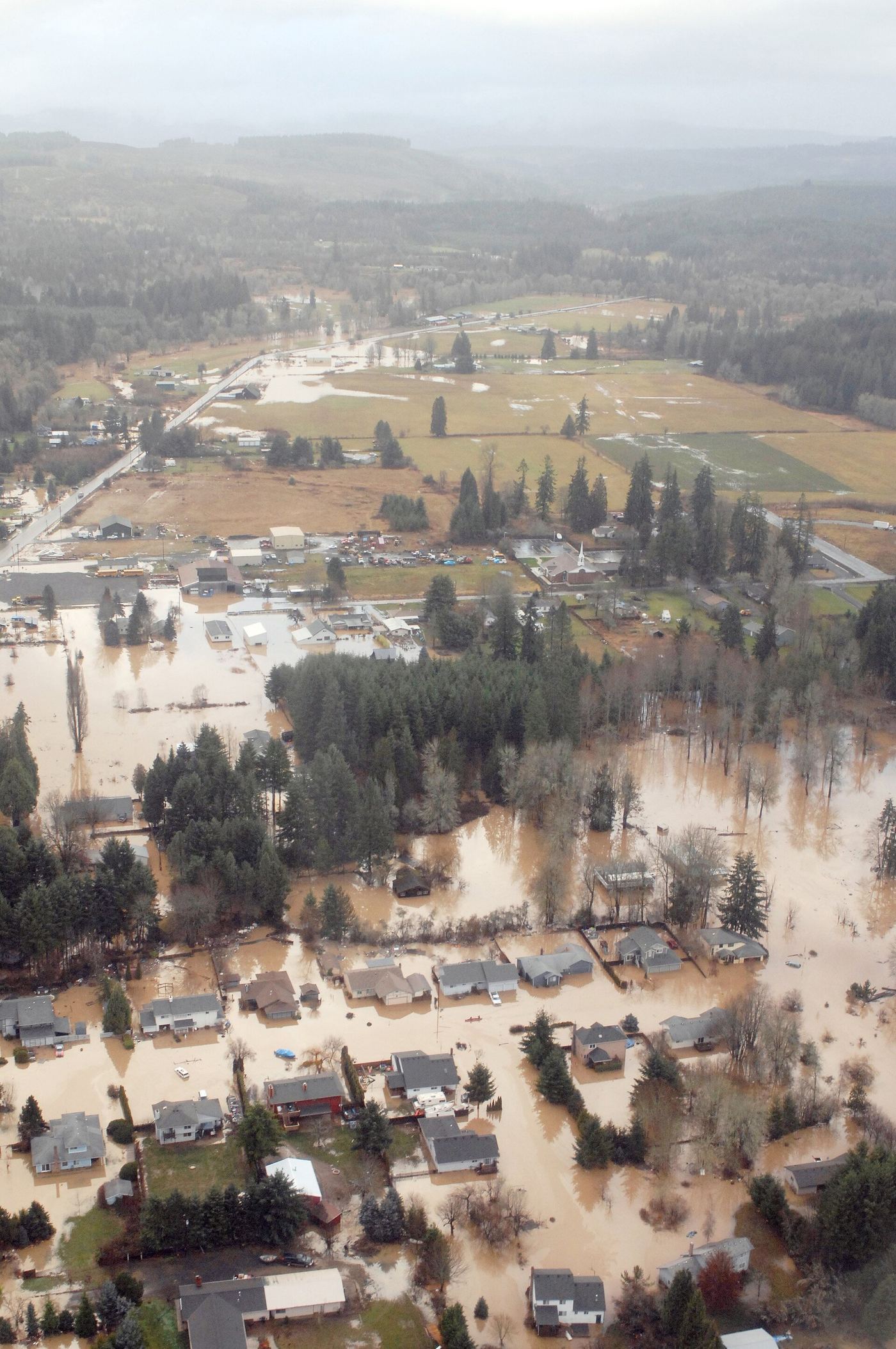

When a summer storm can now drop a month’s rain in an afternoon, the humble street has become flood infrastructure. Cities on every continent are redesigning roads, pavements and public squares to absorb, slow and safely channel water instead of letting it overwhelm drains and pour into homes. The shift marks a change in philosophy: rather than trying to keep every drop out, planners design places that can get wet without being destroyed.
The World Bank’s urban development programme has highlighted how flood losses fall hardest on low-income districts, where drainage is weakest and recovery slowest — one reason redesign funding increasingly targets those neighbourhoods first.
Streets That Drink Water
The basic toolkit is now well tested. Permeable paving lets rain soak through parking bays and footpaths into the ground below. Rain gardens and bioswales — shallow, planted channels along kerbs — intercept runoff, filter silt and oil, and release water slowly into drains over hours rather than minutes. Some cities have lowered selected streets and plazas deliberately, creating temporary basins that flood safely during extreme storms and return to use as sports courts and squares in dry weather.
The United States Environmental Protection Agency’s green infrastructure guidance catalogues these techniques and their maintenance needs, noting that vegetation-based systems also cool streets in heatwaves and support pollinators — co-benefits that plain concrete channels do not offer.
Retrofitting Is Harder Than Building New
New districts can be designed around water from the first drawing. The harder problem is the existing city: narrow streets, buried utilities and buildings whose thresholds sit at pavement level. Engineers there work in increments — a raised crossing here, a disconnected downpipe there, tree pits enlarged into connected trenches that give roots and water room. Residents notice the difference in small ways first: fewer sandbags stacked at doorways, basements that stay dry through the autumn storms, and insurance conversations that begin with the street’s new drainage rather than with the damage caused by the last flood. Copenhagen’s cloudburst plan, Rotterdam’s water plazas and sponge-city programmes across China are frequently cited in our cities coverage because they show retrofit at district scale, funded over decades rather than single projects.
Maintenance Decides Whether It Works
Permeable surfaces clog if never vacuumed; rain gardens fail if planted channels become informal parking. Cities that succeed treat flood streets as living systems with inspection budgets, not as fit-and-forget construction. They also map honestly which areas design storms cannot protect, pairing street redesign with property-level measures and clear evacuation planning.
The direction of travel is nonetheless unmistakable. As rainfall records keep falling, the street in front of a home is being reimagined as part of its flood defence — quieter, greener, and designed for the storm everyone now knows will come. Follow the policy debate in our environment section.