
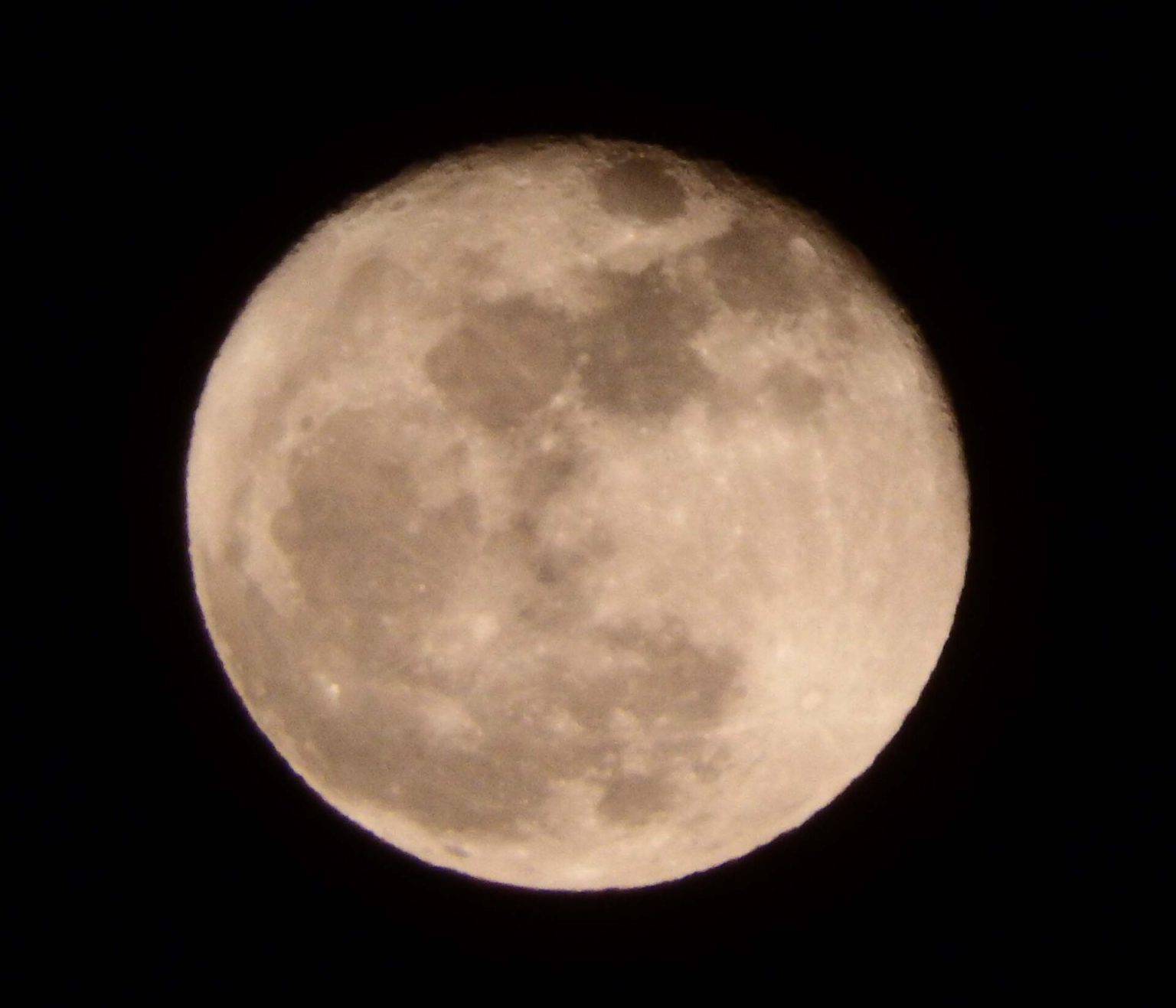

Half a century after the last Apollo astronaut left, the Moon has become crowded with plans: crewed landings, robotic mining tests, a planned lunar space station and a queue of commercial landers. The motive this time is not prestige alone. The lunar south pole holds water ice, and water in space is propellant, oxygen and life support waiting to be unlocked.
Rules for a new frontier
The legal ground is thinner than the regolith. The 1967 Outer Space Treaty forbids national claims but says little about mining; the Artemis Accords propose norms — transparency, interoperability, resource extraction rights — that signatory nations accept and rivals dispute. How the first overlaps of interest at the south pole are negotiated will set precedents for the solar system, which is why diplomats now study the Moon as seriously as engineers do.
Mission plans and science results are published by NASA, with partner-agency updates from the European Space Agency.
What it means back on Earth
Lunar programmes buy more than moonlight: they drive robotics, autonomous navigation, closed-loop life support and radiation medicine that feed back into terrestrial industries. They also concentrate scientific opportunity — telescopes on the radio-quiet far side could hear the universe’s first stars. The flags-and-footprints era inspired a generation; the stay-and-build era may employ one.
How scientists know this
Findings of this kind are not single-experiment stories. They rest on converging lines of evidence — instrument records, replication by independent groups, and models tested against observations — assembled over years and argued over in the literature. Where uncertainty remains, it is usually about magnitude and timing rather than direction. That distinction matters for how the rest of us should hold the news: not as a coin flip between true and false, but as a picture sharpening at different speeds in different places.
Ice changes everything
Hauling water from Earth costs thousands of dollars per kilogram. Ice mined on the Moon could be drunk, split into breathable oxygen, or — most valuably — electrolysed into hydrogen and oxygen rocket propellant. A propellant depot on the Moon or in its orbit would slash the cost of everything beyond: Mars missions, deep-space telescopes, asteroid ventures. This is why a frozen crater at the pole may be the most valuable real estate in the inner solar system.
For more coverage of the stories shaping the day, visit our home page and the latest in technology.
Who is going, and when
NASA’s Artemis programme aims to return astronauts to the lunar surface with commercial landers built by SpaceX and Blue Origin, supported by a small station in lunar orbit. China, with Russia, plans its own international research station at the south pole on a similar timeline, while India, Japan and Europe field robotic missions of their own. The schedule slips regularly; the direction of travel does not.
The engineering is unforgiving
Lunar dust shreds seals and lungs; radiation bathes an unshielded surface; the south pole’s terrain of extremes — blinding peaks beside pitch-dark craters — complicates every landing. Regolith itself, the powdery soil covering the Moon, is both obstacle and resource: piled over habitats it shields radiation; baked and processed, it may yield oxygen and building material. Learning to work with it is the real curriculum of the new Moon race.
Why this research matters beyond the lab
Basic research has a habit of becoming infrastructure. Measurements taken to answer a scientific question end up guiding engineering standards, insurance models, public investment and school textbooks. The lag can be decades, which is precisely why the funding and the observing systems behind work like this are worth defending in the present: the data not gathered this year is the question nobody can answer in twenty. Curiosity may start the work, but societies finish it — or fail to — with budgets.
Apollo was a sprint to prove a point. What is unfolding now is slower, messier and more consequential: the construction of humanity’s first permanent foothold off Earth, one icy crater at a time.