
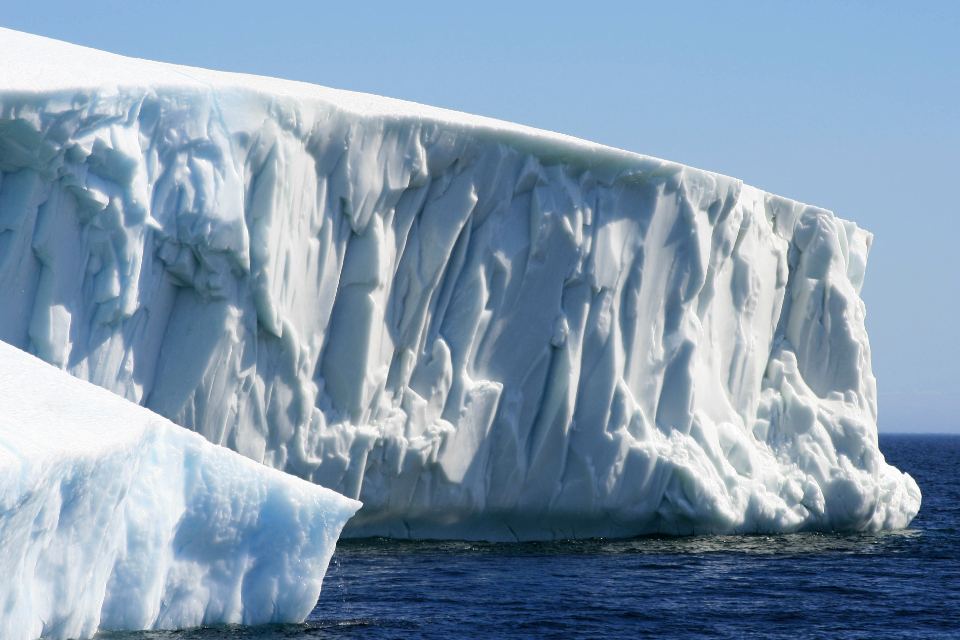

Arctic summers will become snow-free by the 2040s under a high-emissions future, according to observationally constrained projections published in Nature Communications on 25 November 2026. The study uses a monthly emergent constraint based on observed warming to reduce the wide disagreement between CMIP6 climate models and refine projections of a snow-free Northern Hemisphere. Under the high-emissions SSP5-8.5 pathway, Arctic summers become snow-free in the 2040s, while under the low-emissions SSP1-2.6 pathway the disappearance of snow is delayed by 7 to 34 years in the most vulnerable regions and months. The timing matters because snow reflects sunlight, and losing it accelerates warming in the far north.
What the Evidence Shows
Snow cover is one of the Arctic’s defences against warming: bright white snow bounces solar energy back into space, while dark ground or ocean exposed beneath it absorbs heat and warms further, a feedback that speeds the change. Climate models have long disagreed on when the North will lose its summer snow, because they handle snow, clouds and warming differently. By anchoring the models to warming that has already been observed, the new study narrows that spread and gives a sharper timetable. The gap between the two pathways is the key message: lower emissions do not prevent snow loss entirely, but they buy the Arctic decades, with knock-on effects for ecosystems, permafrost and the people who depend on frozen landscapes. Reporting and analysis from sources such as NASA track the same developments, and specialists following the snow-free Arctic summers projection say the direction is now consistent across independent lines of evidence.
The Wider Context
Funding bodies are watching the snow-free Arctic summers projection closely because the work sits at the junction of basic curiosity and practical return. Grant panels increasingly ask for a path from discovery to application, while researchers push back that the most valuable uses of fundamental science are rarely the ones written into the original proposal. The tension is productive when both sides stay honest about timescales.
What Happens Next
The long view on the snow-free Arctic summers projection is that fields advance by accumulation rather than by single announcements. This result adds a solid, checkable piece to a structure many teams are building, and its authors have shared their data so the piece can be tested from every side. That is how the picture eventually becomes reliable enough to act on. You can follow related developments in our coverage of science.
It is also worth remembering how quickly the picture in this area has changed before. Positions that looked settled a few years ago have been revised as new data arrived, and the same humility is appropriate now. The strongest coverage of this subject, and the most useful advice, tends to come from sources that update their views openly when the facts move, rather than defending an earlier position long after it has stopped fitting the evidence available.