
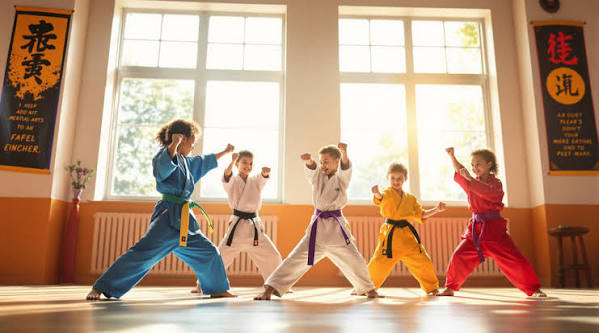

Self-defense is not simply about knowing how to block a punch or perform a martial arts technique. In many real-world situations, the best outcome is to avoid a physical confrontation altogether. This is where situational awareness and de-escalation become important. Learning to notice changes around you, recognize warning signs, manage your response, and make smart decisions can help you stay safer without turning every uncomfortable moment into a fight. Quality self defense classes can teach these skills alongside physical training, giving students a broader understanding of personal safety.
At Parks Tae Kwon Do, martial arts training can provide a useful foundation for developing discipline, confidence, focus, and responsible decision-making. Tae Kwon Do is not only about physical movement. Training can also encourage students to remain calm, respect others, and think before reacting. These principles are especially useful when dealing with tense situations. By combining martial arts training with practical awareness and de-escalation habits, students can build a more complete approach to self-defense that focuses on prevention first.
Why Situational Awareness Matters in Self-Defense
Situational awareness means paying reasonable attention to what is happening around you. It does not mean living in fear or constantly expecting something bad to happen. Instead, it involves noticing your surroundings, understanding what seems normal, and recognizing when something changes. For example, when walking through a parking area, a person can remain aware of nearby people, entrances, exits, lighting, and their general environment instead of becoming completely focused on a phone. Simple awareness can make it easier to recognize a situation that may require extra caution.
Self defense classes often help students develop this mindset by teaching them to think beyond physical techniques. Martial arts training can improve focus and encourage students to observe before acting. This is valuable because many conflicts develop through words, body language, or poor decisions before they become physical. When people recognize tension early, they may have more opportunities to create distance, leave the area, or seek help. At Parks Tae Kwon Do, the broader values associated with Tae Kwon Do can support this approach by emphasizing self-control, respect, discipline, and responsible use of martial arts skills.
Recognizing Early Warning Signs
Understanding warning signs can help a person make better choices before a conflict becomes more serious. Changes in voice, aggressive language, threatening gestures, repeated attempts to move closer, or visible frustration can indicate that a conversation is becoming tense. No single behavior automatically means that someone is dangerous, so it is important not to make assumptions based only on appearance or personality. Instead, pay attention to the overall situation and whether the person’s behavior is becoming increasingly aggressive or unpredictable.
Personal safety also involves recognizing your own emotional response. Anger, embarrassment, fear, or the desire to prove yourself can make it harder to think clearly. Someone who has practiced martial arts may have physical skills, but good self-defense also requires knowing when not to use them. Self defense classes can help students understand that confidence does not mean accepting every challenge. Walking away from an argument is not weakness. In many situations, it is a sign of maturity and good judgment. The goal is to reduce risk rather than win an argument.
De-Escalation Starts With Staying Calm
De-escalation is the process of reducing tension instead of making a difficult situation worse. One of the most important parts of de-escalation is maintaining control over your own behavior. Speaking calmly, avoiding insults, and giving the other person appropriate space can prevent unnecessary escalation. A person does not have to agree with someone else’s behavior to respond without adding more tension. If a conversation becomes uncomfortable, a simple decision to end the interaction and leave can be more effective than trying to get the last word.
Body language also matters. Standing at a reasonable distance, avoiding provocative gestures, and keeping your movements controlled can communicate that you do not want a confrontation. It is also important to avoid blocking someone’s path or intentionally moving closer during an argument. If the situation continues to become more threatening, prioritizing safety is more important than continuing the conversation. Self defense classes can reinforce this idea by teaching students that physical techniques should be considered only within appropriate safety, legal, and training boundaries. The strongest response is often the one that prevents a physical encounter.
How Tae Kwon Do Supports Practical Self-Defense
Tae Kwon Do training offers more than kicks, blocks, and movement. Regular martial arts practice can develop coordination, balance, concentration, confidence, and discipline. Students learn to follow instructions, control their movements, and practice techniques with purpose. These habits can influence how a person responds under pressure. Instead of immediately reacting to a stressful situation, a trained student may be more prepared to pause, assess what is happening, and choose a responsible response.
This is one reason structured self defense classes can be valuable for different ages and experience levels. A good martial arts program should teach students that physical ability comes with responsibility. At Parks Tae Kwon Do, training can be viewed as a way to develop both physical and mental skills. Students can learn that martial arts are not about looking for fights or intimidating others. They are about personal development, respect, confidence, and learning how to respond appropriately when challenges arise. This balanced approach makes martial arts education useful both inside and outside the training environment.
Building Better Self-Defense Habits Every Day
Effective personal safety does not depend on one complicated technique. It develops through consistent habits and thoughtful decision-making. Staying aware of your surroundings, listening to your instincts, maintaining reasonable personal space, and knowing when to leave an uncomfortable situation are practical parts of a safety mindset. Students can also benefit from learning how to communicate clearly, manage stress, and seek assistance when needed. These habits can complement formal martial arts training and help people approach everyday situations with greater confidence.
Self defense classes at a respected martial arts school can provide a structured environment for developing these qualities. Physical training can build coordination and confidence, while Tae Kwon Do principles can encourage patience, respect, and self-control. The purpose is not to make students fearful of the world. Instead, responsible self-defense education should help them understand that prevention, awareness, and good judgment are important parts of staying safe. With the right training, students can become more prepared without becoming unnecessarily confrontational.
Conclusion
The most effective approach to self-defense often begins before a physical confrontation ever happens. Situational awareness helps people notice changes in their environment, while de-escalation provides ways to reduce tension and avoid unnecessary conflict. Staying calm, creating space, leaving when appropriate, and asking for help can all be more valuable than trying to prove physical strength. These skills work together to create a practical and responsible approach to personal safety.
Training at Parks Tae Kwon Do can support this broader understanding of martial arts by combining physical practice with discipline, focus, respect, and confidence. Self defense classes should not encourage people to seek confrontation. Instead, they can help students develop the awareness and judgment needed to make safer decisions. When prevention comes first and physical skills are treated responsibly, martial arts training becomes more than learning how to fight—it becomes preparation for handling challenges with control and confidence.