
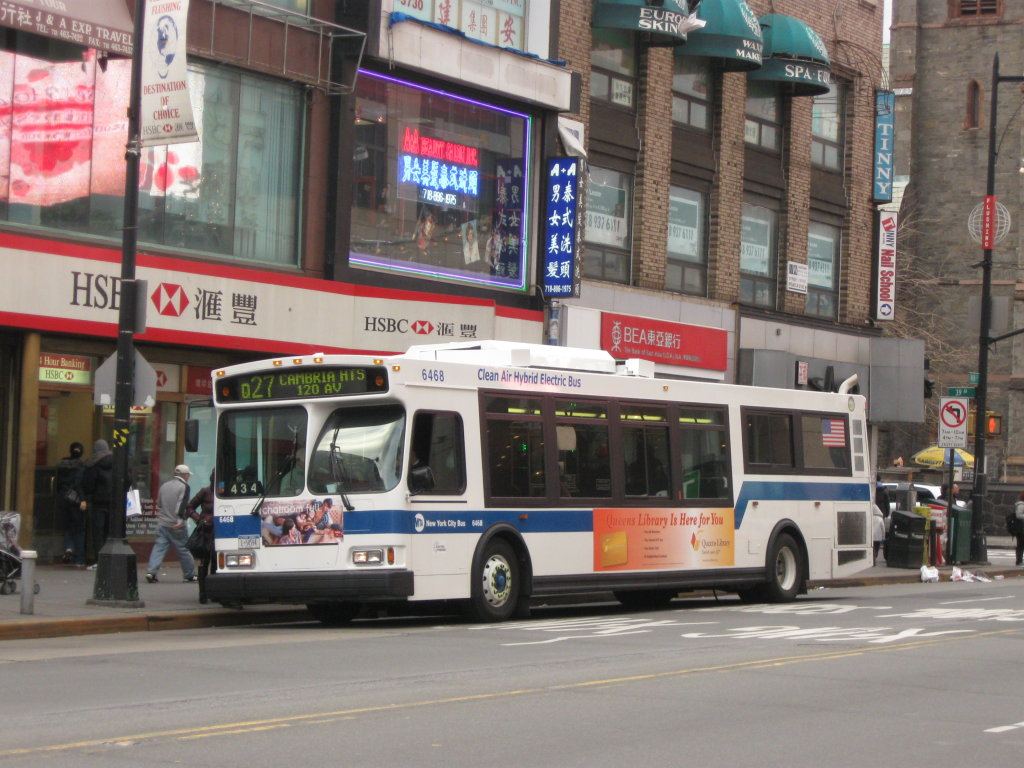

Several cities are expanding night bus networks after data showed late-evening services no longer match how people actually work and socialise. Hospitality staff, cleaners, health workers and logistics crews often finish after midnight, when limited routes force long waits or expensive taxis. Transport planners are adding buses on busy corridors first, coordinating timetables with last trains and major shift changes. Early ridership figures from pilot routes suggest demand grows once people trust the service will actually run. Funding remains the main dispute, with councils arguing that employers and venues benefiting from the night economy should help support reliable overnight transport.
What the Evidence Shows
Safety is central to the expansion, with better lighting at stops, visible staff at interchanges and real-time departure information for waiting passengers. Drivers say fuller buses late at night also improve the working environment compared with near-empty routes. Operators are tracking which journeys passengers combine, so infrequent but essential links are not cut simply for low headline numbers. Some cities are testing simpler flat night fares to reduce confusion. Transport campaigners welcome the changes but warn that announced routes must run consistently for months, because shift workers will not reorganise their lives around a service that disappears after a short trial. Reporting and analysis from sources such as Associated Press track the same developments, and specialists following expanded night bus networks say the direction is now consistent across independent lines of evidence.
The Wider Context
Regional and local reporting on expanded night bus networks often tells a different story from national coverage, because the effects land unevenly: one town’s pilot is another’s distant proposal. Analysts who follow the subject full-time read the local data first, arguing that national averages conceal the variation that decides whether a policy or a project deserves to spread.
What Happens Next
The longer story of expanded night bus networks is still being written by the people closest to it, whose experience rarely matches the earliest predictions of either supporters or critics. Reporting will continue to follow the evidence as it accumulates, including where it complicates today’s account. That is the deal serious coverage makes with its readers, and it holds for this subject as for any other. You can follow related developments in our coverage of news.
It is also worth remembering how quickly the picture in this area has changed before. Positions that looked settled a few years ago have been revised as new data arrived, and the same humility is appropriate now. The strongest coverage of this subject, and the most useful advice, tends to come from sources that update their views openly when the facts move, rather than defending an earlier position long after it has stopped fitting the evidence available.
None of this will be settled by a single announcement, study or product launch. The pattern to watch is accumulation: independent confirmations, honest reporting of failures and steady improvement in the underlying numbers. Readers who follow those signals, rather than the loudest claim of the week, will understand this subject better than most of the commentary surrounding it suggests is possible.