
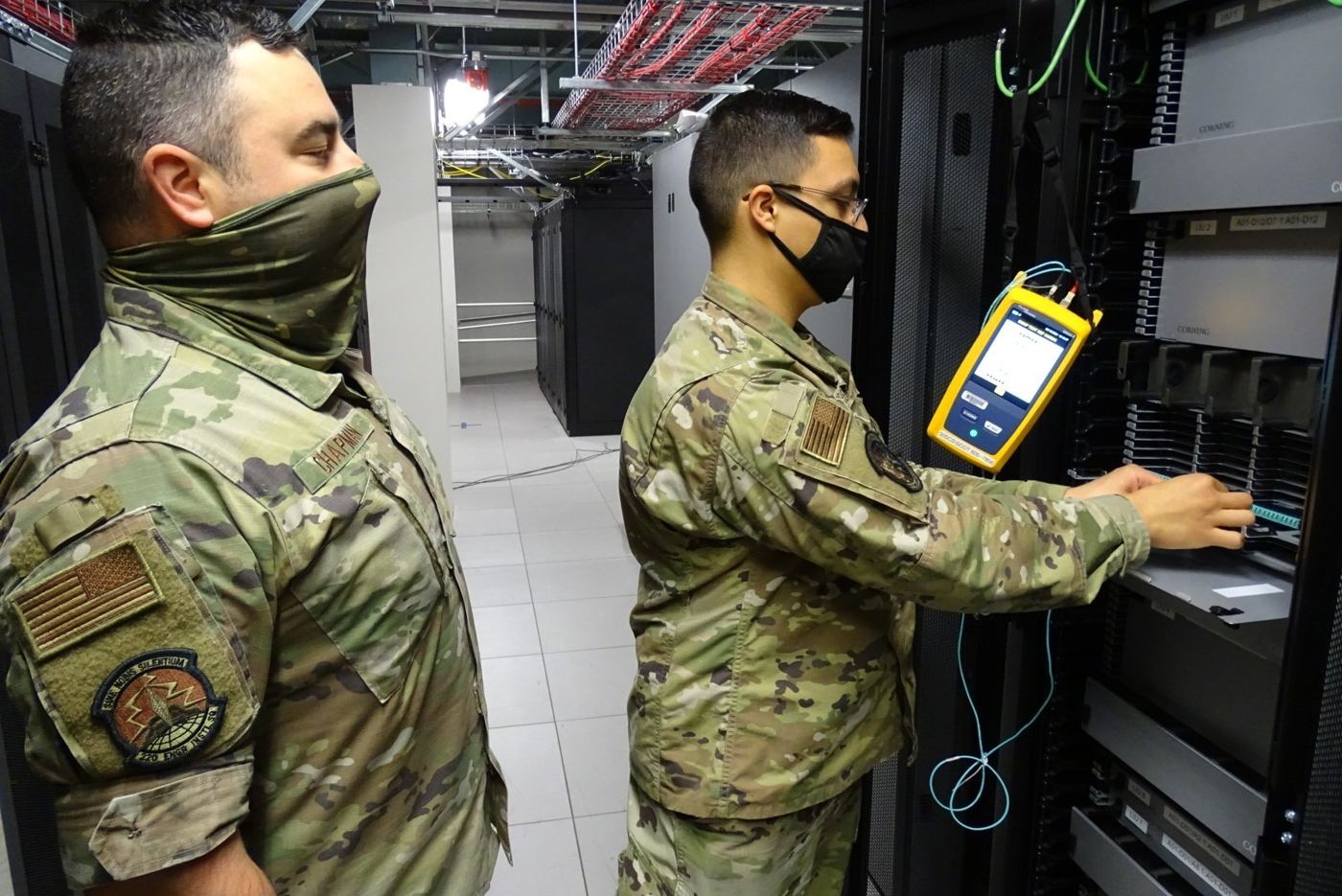

Installation crews are extending fibre optic networks into smaller towns and rural districts where fast, reliable broadband has lagged behind larger cities. Fibre carries data as pulses of light through hair thin glass strands, offering higher speeds and more stable connections than older copper lines. For households, the difference shows up in remote work, online learning, and health appointments held by video. Local businesses gain better access to cloud services and customers further afield. Governments are supporting many of these builds with grants aimed at closing the gap between urban and rural connectivity. Training programmes are expanding alongside the network, preparing local technicians for the installation and maintenance jobs that a larger fibre footprint will support for many years ahead.
What the Evidence Shows
The work itself is painstaking, involving trenching, duct repairs, and careful splicing of fibres that must align almost perfectly to carry a clean signal. Technicians test each connection before a street or village is declared ready, and weather or unexpected ground conditions can slow progress. Providers say take up is often strong once service launches, though affordability remains a concern for some families. Community groups in several areas have helped map demand and negotiate access across private land. As networks expand, attention is turning to resilience, with backup routes planned so a single cable cut causes less disruption. Digital skills programmes are being paired with the rollout in many places, ensuring that a faster connection translates into real opportunities rather than simply a more expensive monthly household bill. Reporting and analysis from sources such as IEEE Spectrum track the same developments, and specialists following expanding fibre optic broadband networks say the direction is now consistent across independent lines of evidence.
The Wider Context
Adoption of expanding fibre optic broadband networks follows a familiar pattern with an unfamiliar speed. Early users tolerate rough edges in exchange for advantage, mainstream users arrive when the tool disappears into existing workflows, and the market consolidates around whoever made that transition feel effortless. Vendors are racing less on raw performance now than on integration, support and trust.
What Happens Next
The realistic forecast for expanding fibre optic broadband networks is steady integration rather than sudden replacement: embedded in products people already use, improving in increments, and regulated in proportion to its reach. The companies and institutions that plan on that basis, training staff and redesigning processes instead of chasing launches, are the ones the adoption data tends to vindicate. You can follow related developments in our coverage of technology.
It is also worth remembering how quickly the picture in this area has changed before. Positions that looked settled a few years ago have been revised as new data arrived, and the same humility is appropriate now. The strongest coverage of this subject, and the most useful advice, tends to come from sources that update their views openly when the facts move, rather than defending an earlier position long after it has stopped fitting the evidence available.