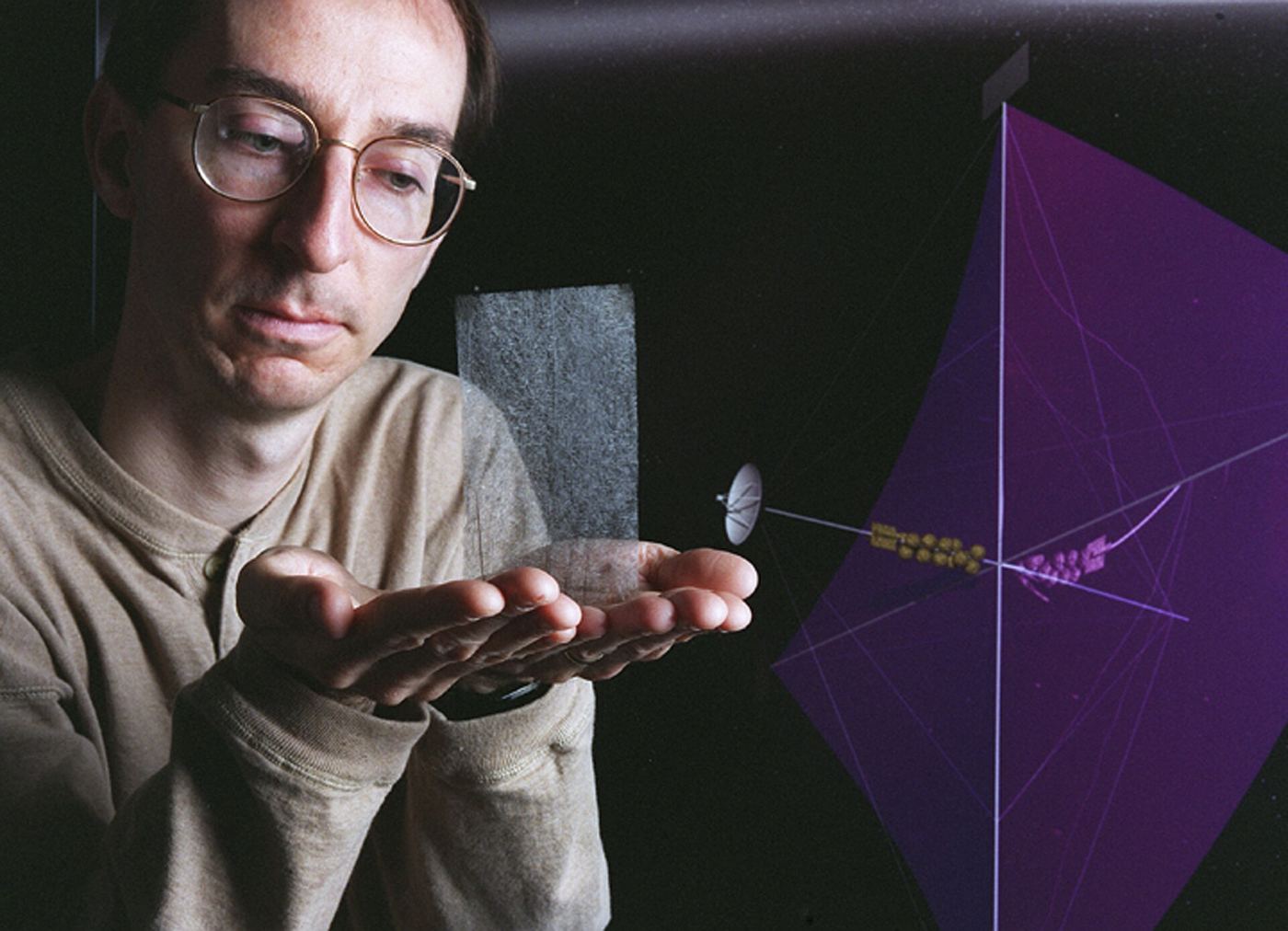

Scientists have discovered a surprising obstacle to interstellar travel: at extreme speeds, the light propelling futuristic solar sails could actually begin slowing them down. The finding was reported on 22 November 2026. Solar sails work by catching light from a laser or the Sun, using the tiny push of photons to accelerate a spacecraft without carrying fuel. In theory, a sail could reach a large fraction of the speed of light. But new research shows that once a spacecraft passes about 75 percent of the speed of light, some of the scattered light begins to push backwards, acting as a brake rather than an engine.
What the Evidence Shows
The result matters because several projects, including Breakthrough Starshot, plan to send tiny sail-driven probes to nearby stars at a fifth of the speed of light or more. At those speeds the braking effect is small, but it sets a ceiling on how fast a light sail can ever go, and mission planners will need to account for it. The physics is a reminder that even light, the fastest thing in the universe, does not give a free ride. Engineers may need to design sails that scatter less light backwards, or accept that the dream of near-light-speed travel has a speed limit built into the light itself. Reporting and analysis from sources such as National Science Foundation track the same developments, and specialists following the solar sail speed limit say the direction is now consistent across independent lines of evidence.
The Wider Context
The wider context is a research landscape in which replication and open data now decide reputations. Findings connected to the solar sail speed limit are being checked by independent groups with shared datasets, and the teams involved publish their methods in full so rivals can test every step. That discipline is slower than a headline cycle, but it is why results in this area increasingly survive first contact with scrutiny.
What Happens Next
What happens next in the story of the solar sail speed limit will be decided by follow-up work already under way: larger samples, longer observation and instruments that have not yet come online. The researchers involved are unusually united on one point, that the current results justify the next investment of time and money. Readers will not have to wait long for the first tests of that claim. You can follow related developments in our coverage of science.
There is a practical lesson in all of this for readers deciding what to do today. Start with the verified facts, be wary of anyone promising certainty, and prefer reversible steps while the evidence is still developing. Circumstances differ by country, income and personal situation, so general guidance should always be weighed against your own context before you act on it in any significant or lasting way.