

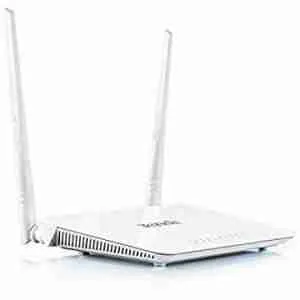
Bad internet is not just frustrating. It costs you time, breaks your concentration, and if you run a small business or work from home, it costs you money, too. Most people in Kenya have felt that sting at some point of time. A router that drops connections during an important video call, or one that barely reaches the next room can become a costly mistake.
That is why the choice of router matters more than most buyers think. And Tenda WiFi router has been quietly winning that decision for a growing number of Kenyan households and businesses.
Here is what keeps people choosing it.
The Price Does Not Leave You Guessing
Walk into any electronics shop or browse an online store in Kenya, and you will spot Tenda WiFi routers priced between KES 2,000 and KES 8,000, depending on the model. That range covers basic home use all the way up to small office setups.
For most buyers, price is the first filter. Internet hardware is a grudge purchase. You need it, but you do not want to overpay. Tenda sits at a price that feels fair, especially when you consider what you actually get for that money.
Perhaps that is the real draw. It is not just cheap. It is affordable without feeling like a compromise.
Set up Without the Headache
You probably know that feeling. You buy new tech, come home ready to go, and then spend an hour reading a confusing manual before giving up and calling someone for help.
Tenda takes a different approach. The Tenda app walks you through setup in clear steps. You connect the cables, open the app, and follow the prompts. Most users report being online in under ten minutes.
Coverage That Reaches the Rooms That Matter
Dead zones are one of the most common WiFi complaints in Kenyan homes and offices. You pay for the internet, your router sits in the living room, but the signal disappears by the time it reaches the bedroom or the back office.
The Tenda AC10, a mid-range model, covers spaces up to 120 square metres and runs on both 2.4 GHz and 5 GHz bands. For larger spaces, the Tenda Nova MW6 mesh system lets you place multiple nodes around your building for a consistent signal throughout.
Knowing your router will cover every room you actually use — that is the kind of assurance that pushes buyers toward a decision.
Speeds That Match What ISPs Are Now Offering
Kenya’s home internet market has changed fast. Fibre packages from Safaricom, Airtel, and Faiba now offer speeds of 30 Mbps, 100 Mbps, and above. Many homes in Nairobi, Kisumu, and Mombasa now have access to speeds that were rare just a few years ago.
The problem is that your router might be the weak link. An underpowered router cannot push those speeds to your devices, no matter what your ISP promises on paper.
More Devices, No Slowdowns
Think about every device connected to your WiFi right now. Phones, laptops, smart TVs, tablets, printers, and perhaps a security camera or two. Each one pulls from the same connection. When too many devices compete at once, older routers start dropping speeds and cutting connections.
Mid-range and upper Tenda models support MU-MIMO technology, which allows the router to serve multiple devices at the same time rather than switching between them one at a time.
For a household with five people online at once, or a small office with ten staff members, that makes a real difference day to day.
Local Availability and After-Sale Support
One fear that holds buyers back from lesser-known brands is what happens after the sale. If something goes wrong, where do you turn?
Tenda has a growing network of authorised resellers across Kenya. Stores like Almiria Techstore stock genuine Tenda products and guide buyers toward the right model for their space and budget. That local presence means you are not stuck searching for support on your own after purchase.
Most Tenda products also carry a one-year warranty from the purchase date, which offers some protection on your investment.
What to Look for Before You Buy
Not every Tenda model suits every situation. A studio apartment needs a different router than a three-floor office building.
A quick guide:
- For small homes or single rooms: Tenda N301 or F3
- For medium homes or small offices: Tenda AC10 or AC23
- For larger or multi-floor spaces: Tenda Nova MW6 mesh system
Match the model to your actual space size and device count before buying. That one step saves a lot of disappointment later.
So, Is a Tenda Router Right for You?
A Tenda WiFi router is not the flashiest option on the market. It will not win design awards or come loaded with enterprise features most home users will never touch.
What it does offer is reliable coverage, decent speeds, straightforward setup, and a price that fits most Kenyan budgets. For a household trying to stay connected or a small business keeping staff online daily, that combination is hard to argue with.
If you have been putting off an upgrade, perhaps a closer look at Tenda is worth your time.