
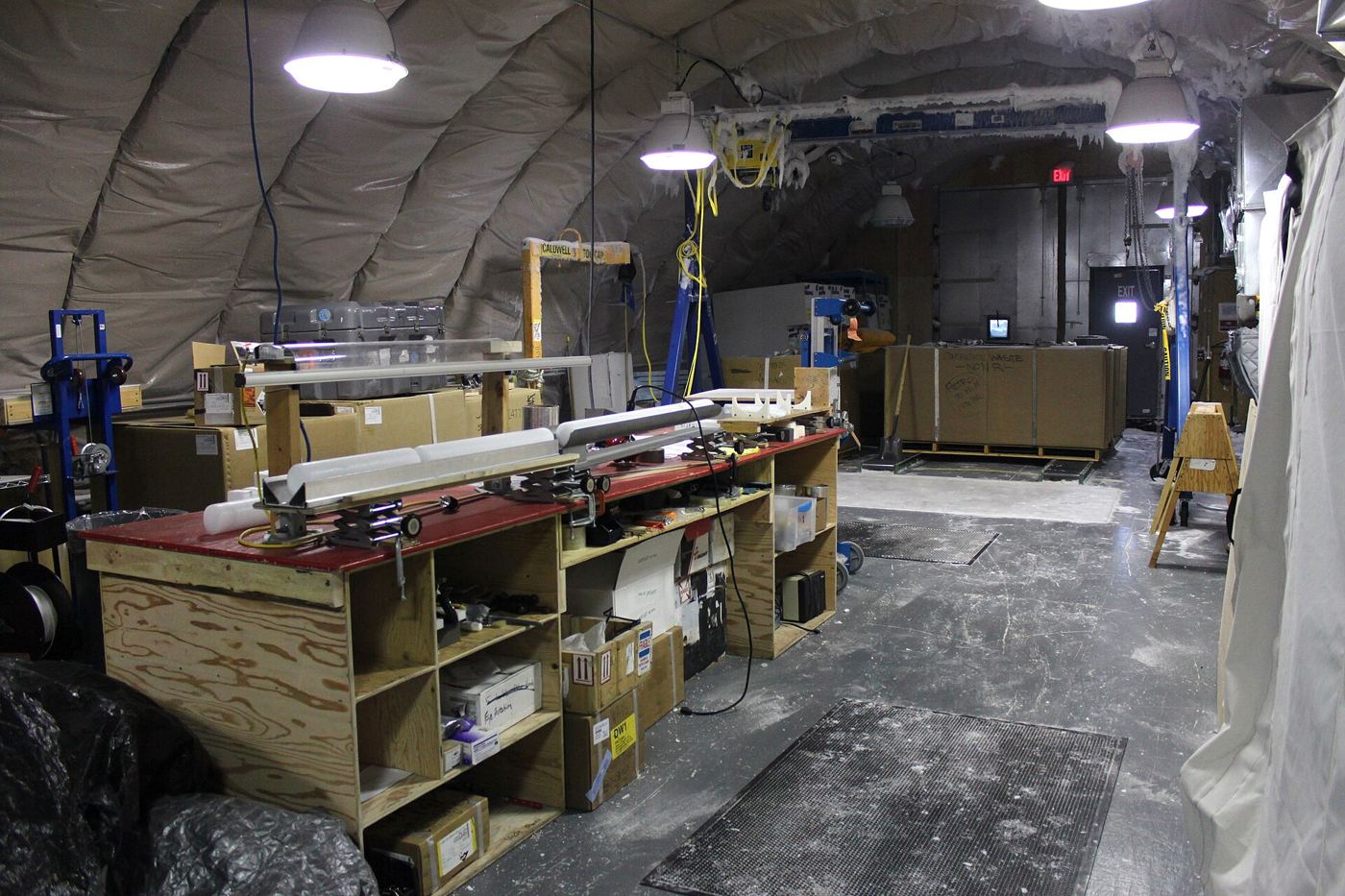

In the coldest places on Earth, snow falls year after year and never melts, slowly compressing into ice that can be kilometres thick. Trapped inside that ice are tiny bubbles of ancient air, dust from distant deserts, ash from old volcanoes and traces of past climates, layered like the pages of a book. Scientists drill long cylinders of this ice, called ice cores, and read them in laboratories to reconstruct how temperatures, greenhouse gases and weather patterns have changed over hundreds of thousands of years. The records show ice ages coming and going, abrupt warmings and long stable periods, giving context for the rapid warming of today. They also reveal how quickly the climate can shift when pushed, a warning drawn directly from the planet’s own history. Few archives in science reach so far back with such detail. In effect, the ice is a library written by the planet itself, waiting to be read.
What the Evidence Shows
Drilling an ice core is a slow and demanding expedition. Teams work in extreme cold, lowering a drill through the ice a few metres at a time and hauling each section to the surface, where it is labelled, packed in insulated boxes and shipped frozen to laboratories. In the lab, researchers melt small samples to release the ancient air, measure its gases and study the dust and chemicals trapped alongside it. The deepest cores reach back more than eight hundred thousand years, covering many ice ages. New projects aim to drill even older ice, from a time before the current cycle of ice ages began. Each core adds a chapter to the story of Earth’s climate, and together they form one of the most valuable records science has ever assembled. Reporting and analysis from sources such as NASA track the same developments, and specialists following the ice cores preserving thousands of years of climate history say the direction is now consistent across independent lines of evidence.
The Wider Context
Funding bodies are watching the ice cores preserving thousands of years of climate history closely because the work sits at the junction of basic curiosity and practical return. Grant panels increasingly ask for a path from discovery to application, while researchers push back that the most valuable uses of fundamental science are rarely the ones written into the original proposal. The tension is productive when both sides stay honest about timescales.
What Happens Next
The long view on the ice cores preserving thousands of years of climate history is that fields advance by accumulation rather than by single announcements. This result adds a solid, checkable piece to a structure many teams are building, and its authors have shared their data so the piece can be tested from every side. That is how the picture eventually becomes reliable enough to act on. You can follow related developments in our coverage of science.
It is also worth remembering how quickly the picture in this area has changed before. Positions that looked settled a few years ago have been revised as new data arrived, and the same humility is appropriate now. The strongest coverage of this subject, and the most useful advice, tends to come from sources that update their views openly when the facts move, rather than defending an earlier position long after it has stopped fitting the evidence available.