
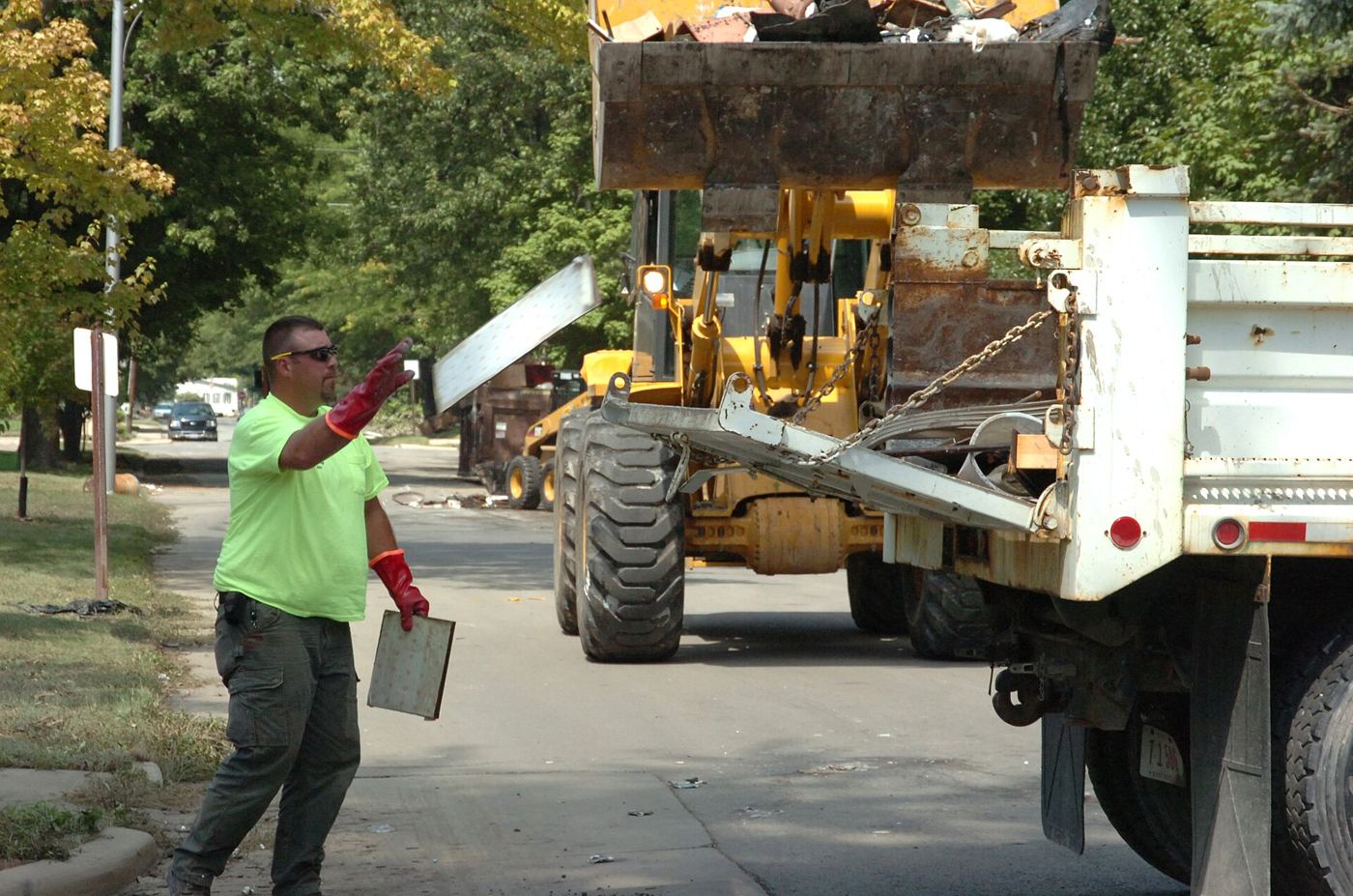

When heavy rain overwhelms a city’s drains, water can rise through streets in minutes, flooding ground-floor homes, closing roads and leaving a thick layer of mud and debris behind. Engineers studying urban flooding say the problem is growing as rainfall becomes more intense and as cities pave over the soil that once absorbed it, replacing gardens and grass with concrete that sends every drop straight into the drains. The solutions being tested are often surprisingly simple: permeable pavements that let water soak through, rain gardens that hold storm water and release it slowly, and restored river channels that give floodwater somewhere safe to go. Cities that have invested in these measures report fewer flooded homes and lower damage bills, though the work takes years and competes with many other demands on municipal budgets. Residents in flood-prone areas say the measures cannot come soon enough. The shift follows a series of damaging floods in which streets turned into rivers and ground-floor homes were left under water.
What the Evidence Shows
Researchers stress that flood protection works best as a system rather than a single project, combining better drainage with planning rules that keep new homes out of the riskiest areas. Warning systems are improving too, with sensors in drains and rivers sending alerts to residents’ phones when water levels rise quickly. Insurance data shows that the cost of urban flooding has climbed steadily, and that the cheapest time to prevent damage is before building, not after a neighbourhood has already flooded. Some cities are now mapping every flood-prone street and sharing the information publicly, so buyers and renters can see the risk before they move in. Experts say the cities that cope best are those that treat rain as a resource to be stored and slowed, rather than a nuisance to be flushed away as fast as possible. Engineers say the measures also bring greenery back into paved neighbourhoods, giving residents new planting and wildlife habitat alongside the flood protection. Reporting and analysis from sources such as National Science Foundation track the same developments, and specialists following the flood-resilient city street say the direction is now consistent across independent lines of evidence.
The Wider Context
The wider context is a research landscape in which replication and open data now decide reputations. Findings connected to the flood-resilient city street are being checked by independent groups with shared datasets, and the teams involved publish their methods in full so rivals can test every step. That discipline is slower than a headline cycle, but it is why results in this area increasingly survive first contact with scrutiny.
What Happens Next
What happens next in the story of the flood-resilient city street will be decided by follow-up work already under way: larger samples, longer observation and instruments that have not yet come online. The researchers involved are unusually united on one point, that the current results justify the next investment of time and money. Readers will not have to wait long for the first tests of that claim. You can follow related developments in our coverage of science.
There is a practical lesson in all of this for readers deciding what to do today. Start with the verified facts, be wary of anyone promising certainty, and prefer reversible steps while the evidence is still developing. Circumstances differ by country, income and personal situation, so general guidance should always be weighed against your own context before you act on it in any significant or lasting way.