

UAE summers are tough on people and brutal on cars. High ambient temperatures, hot tarmac and long drives mean engines run hotter and tyres are under constant stress. If you ignore the warning signs, you risk breakdowns, dangerous blowouts and big repair bills.
Understanding how heat damages engines and tyres and what your car insurance does and doesn’t cover helps you prevent problems and react calmly when something goes wrong.
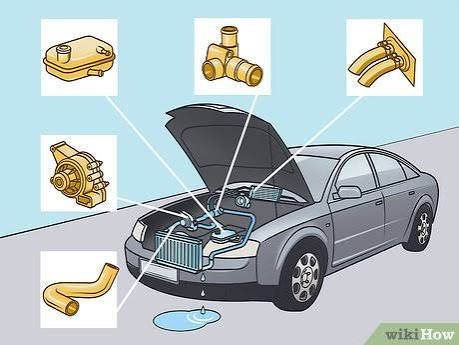
Common Causes of Overheating in UAE Summers
- Low or old coolant – Not enough coolant, or coolant that’s degraded, can’t carry heat away efficiently.
- Cooling system issues – Faulty thermostat, worn water pump, clogged radiator or leaking hoses.
- Blocked airflow – Sand, dust or debris blocking the radiator or condenser.
- Over‑loading / hard driving – Heavy loads, towing, or aggressive driving in high heat.
- AC + traffic + heat – Long idling with AC on full in 45°C weather pushes the cooling system to its limit.
How to Prevent Overheating
- Service on schedule
- Regularly change coolant, check belts, hoses and radiator condition.
- Check coolant level frequently
- Top up with the correct mix if low (never open a hot radiator cap).
- Keep the radiator clean
- Have sand and dust blown out; watch for leaks or stains.
- Watch the temperature gauge
- If it climbs above normal, don’t ignore it – treat it as an early warning.
- Avoid extreme loads in peak heat
- If possible, avoid towing or heavy loading during the hottest hours.
Emergency Fixes If the Engine Overheats
If you see the temperature gauge spike or a warning light:
- Pull over safely
- Get off the main flow of traffic; put hazards on.
- Turn off AC, keep the engine running briefly
- This can help cooling fans bring the temp down. If it doesn’t, turn the engine off.
- Do not open the radiator cap hot
- Wait until the engine has cooled significantly (at least 30–45 minutes).
- Call roadside assistance
- If your policy includes it, use it. Overheating can signal deeper mechanical issues; driving on can cause engine damage.
Heat-Induced Tyre Destruction: Blowouts & Tread Separation
Why Tyres Fail More in Summer
- High road temperatures – Tarmac can be far hotter than the air, heating the tyre carcass from outside.
- Under‑inflation – Flexing sidewalls build heat quickly and weaken the structure.
- Over‑inflation – Smaller contact patch and more centre wear, reducing grip and resilience.
- Age and wear – Old, cracked or worn tyres are more likely to fail when stressed by heat.
- Heavy loads and speed – Full passengers + cargo + high speed = maximum stress.
Blowouts and Tread Separation
- Blowout: Sudden loss of pressure, often with a loud bang and loss of control risk.
- Tread separation: The tread peels away from the carcass, especially on aged or damaged tyres, causing severe vibration and potential loss of control.
Preventing Heat-Related Tyre Failures
- Check pressure monthly (and before long trips)
- Use the manufacturer’s recommended PSI (cold readings).
- Inspect tread and sidewalls
- Look for cuts, bulges, exposed cords or uneven wear.
- Respect load and speed ratings
- Don’t overload, and avoid sustained high speeds in extreme heat.
- Replace old tyres
- Even with good tread, very old tyres (5–6+ years) can harden and crack internally.
What to Do if You Have a Blowout
- Stay calm, grip the wheel firmly
- Do not slam the brakes and gently ease off the accelerator.
- Signal and move to a safe area
- Use your hazards and triangle
- Call roadside assistance or change to the spare if it’s safe and you’re capable.
What Is Covered vs. Excluded Under Your Car Insurance
Heat damage sits in a grey area: some situations may be covered, others not.
Usually Covered (Depending on Policy Type)
Under comprehensive car insurance:
- Accident damage caused by a heat-related failure -Example: a tyre blowout leads to a collision the resulting accident damage is usually handled as an own‑damage claim (subject to excess and terms).
- Fire due to certain mechanical/electrical failures – If your policy includes fire cover, a car fire (even if triggered by overheating) may be covered, subject to investigation.
Under third‑party car insurance only damage and injury you cause to others is covered, not your own vehicle regardless of whether heat or mechanical failure was the trigger.
Usually Not Covered
- Pure wear and tear or lack of maintenance
Old tyres, worn cooling systems, low coolant due to neglect – these are maintenance issues, typically excluded as “wear and tear” or “mechanical breakdown”.
- Minor overheating with no accident
Towing or repairs due purely to overheating are not “accident damage”, they may be handled only under roadside assistance, if you have it.
- Driving against clear warnings
Continuing to drive with a clear overheat warning, ignoring obvious tyre damage, etc., can be treated as negligence and may complicate a claim.
Role of Roadside Assistance
Many comprehensive policies (or add‑ons) provide roadside assistance:
- Towing after breakdown or overheating
- Help with flat tyres or battery issues
This doesn’t mean the underlying mechanical damage is an insured peril, but it can save you time, money and risk when something fails on the road.
Action point: Always read your policy schedule and wording to see:
- Whether you have comprehensive or third‑party
- What’s included (fire, roadside, hire car, etc.)
- How wear and tear and mechanical breakdown are treated
If in doubt, ask your insurer or broker to explain how heat‑related scenarios are handled under your specific car insurance UAE policy.
Conclusion
UAE summer heat can put significant stress on engines and tyres. Regular maintenance and checks are the first line of defence, while insurance and roadside assistance can provide a safety net when something goes wrong.
To stay prepared:
- Service your cooling system regularly and keep an eye on the temperature gauge.
- Check your tyre pressure, age, and overall condition, as these become particularly important during summer.
- When choosing car insurance, consider policies that include roadside assistance and, for newer cars, comprehensive cover with benefits for fire and accidental damage.
- If you’re comparing policies, using a reputed UAE broker such as InsuranceMarket.ae can make it easier to compare quotes and understand the available options without having to approach insurers individually.
Taking these precautions can help reduce the risk of being left in a dangerous roadside situation with an unexpected and potentially significant repair bill.