
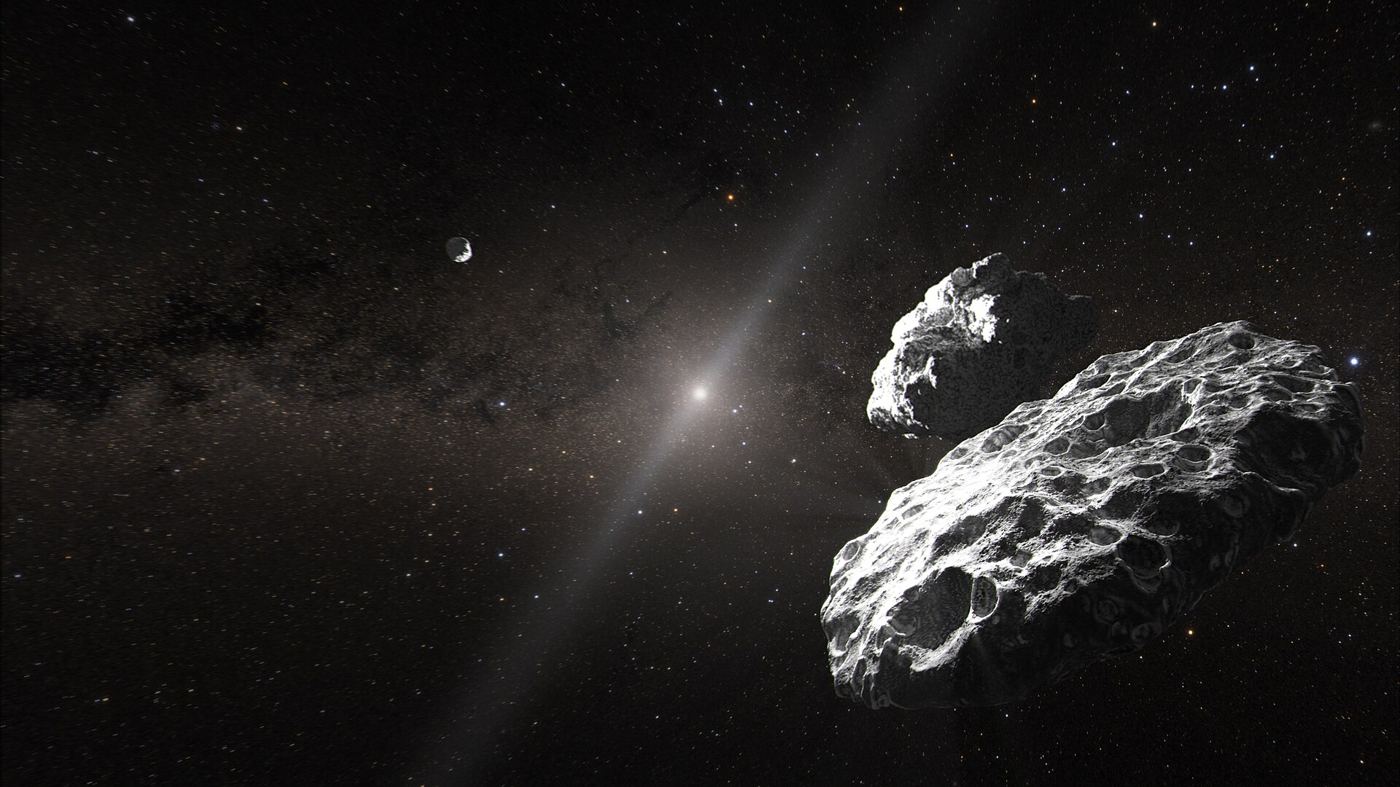

When a spacecraft slammed into the asteroid Dimorphos, it was the first deliberate test of whether humanity could nudge a space rock off course. The impact shortened the asteroid’s orbit around its companion, proving the technique works, but it also threw a vast cloud of dust and boulders into space. Telescopes on Earth and in orbit have been tracking that debris ever since, and what they are learning matters as much as the deflection itself. The ejected material carried away extra momentum, making the push more effective than the spacecraft’s mass alone would suggest, while the sizes and speeds of the fragments reveal how a rubble-pile asteroid holds together. Some boulders escaped into independent orbits around the Sun, and astronomers are still cataloguing them to be sure none poses a future hazard. The debris, in other words, is both a scientific bonus and a responsibility to monitor.
What the Evidence Shows
A follow-up mission is now on its way to examine the impact site at close range, measuring the crater left behind and mapping how the asteroid’s shape changed. That close look should tell engineers how much of the deflection came from the impact itself and how much from the debris streaming away, a distinction that matters for planning a real planetary defence mission. Researchers are also studying the fragments’ composition, since a loosely bound pile of rubble behaves very differently from a solid rock when struck, and future targets may be either. The tracking data is already feeding into computer models that simulate impacts on asteroids of different sizes and structures. Scientists stress that no known asteroid threatens Earth in the coming decades, so the work is preparation rather than emergency. If one is ever found heading our way, they say, the debris study will help ensure the first real deflection is planned with evidence rather than guesswork. Reporting and analysis from sources such as NASA track the same developments, and specialists following the drifting deflection debris say the direction is now consistent across independent lines of evidence.
The Wider Context
Funding bodies are watching the drifting deflection debris closely because the work sits at the junction of basic curiosity and practical return. Grant panels increasingly ask for a path from discovery to application, while researchers push back that the most valuable uses of fundamental science are rarely the ones written into the original proposal. The tension is productive when both sides stay honest about timescales.
What Happens Next
The long view on the drifting deflection debris is that fields advance by accumulation rather than by single announcements. This result adds a solid, checkable piece to a structure many teams are building, and its authors have shared their data so the piece can be tested from every side. That is how the picture eventually becomes reliable enough to act on. You can follow related developments in our coverage of science.
It is also worth remembering how quickly the picture in this area has changed before. Positions that looked settled a few years ago have been revised as new data arrived, and the same humility is appropriate now. The strongest coverage of this subject, and the most useful advice, tends to come from sources that update their views openly when the facts move, rather than defending an earlier position long after it has stopped fitting the evidence available.